
Samsung Galaxy Fold7 review
The Fold we have waited for
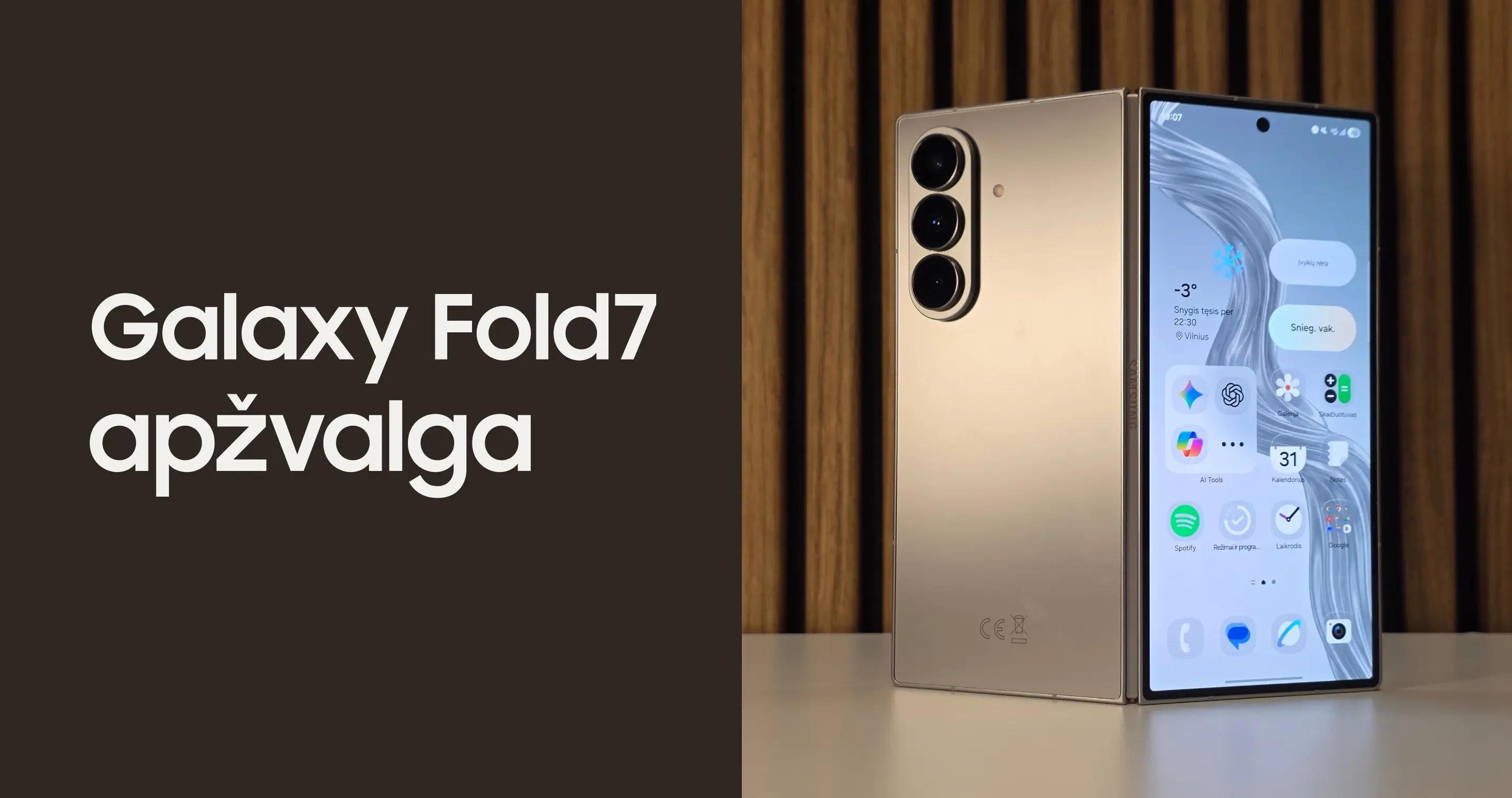
Innovative. Powerful. Thin. Those are the three words I would use to describe Samsung’s new folding phone, the Galaxy Fold7 — the Fold we have waited for. Back in July I said it was the Samsung device that had surprised me most in the last five years, or more precisely since the first Galaxy Fold arrived in 2019. After that long wait, I’m glad to finally have the chance to try the Fold7 and share my impressions with you.
Design
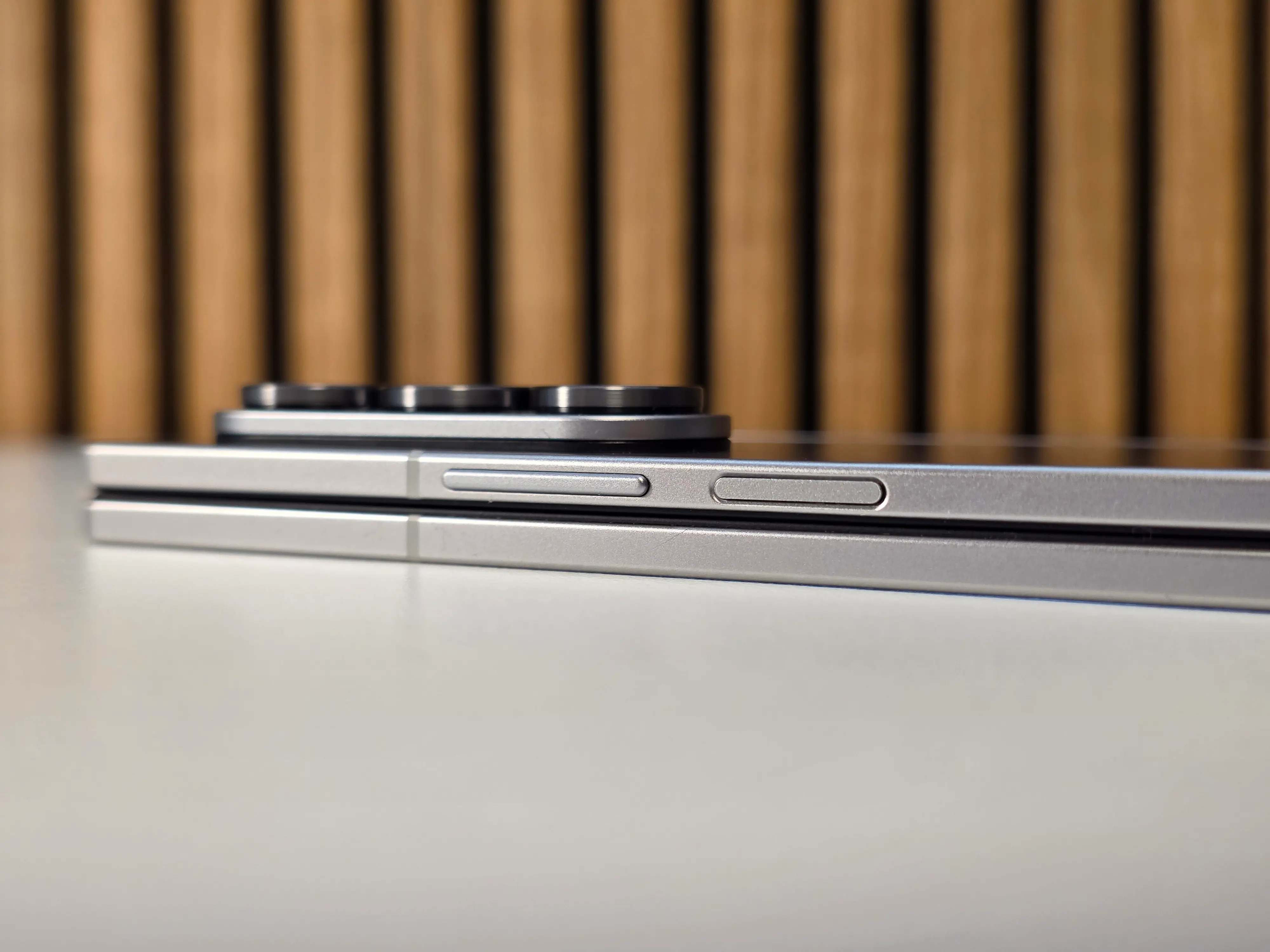
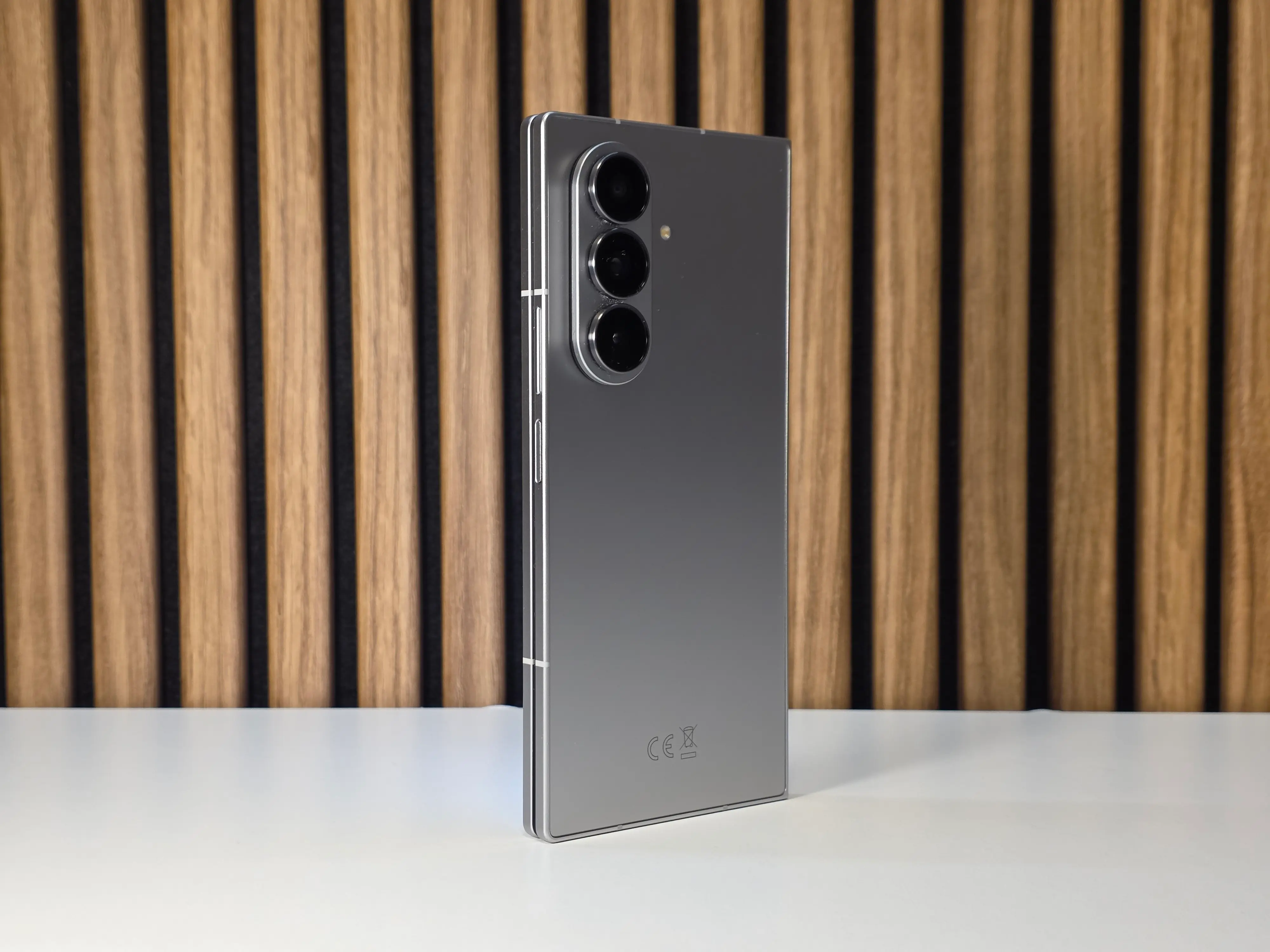
As usual I’ll start with the design, and this year that is exactly where the biggest changes are. The Fold7 is just 8.9 mm thick when folded — a 26% reduction compared with the Fold6. That’s practically the size of an ordinary phone: the Galaxy S23 Ultra from a couple of years ago was exactly this thick. Unfolded it measures only 4.2 mm, making it one of the thinnest devices I’ve ever seen. It feels genuinely unreal in the hand when the phone is about as thick as a USB-C port is wide.
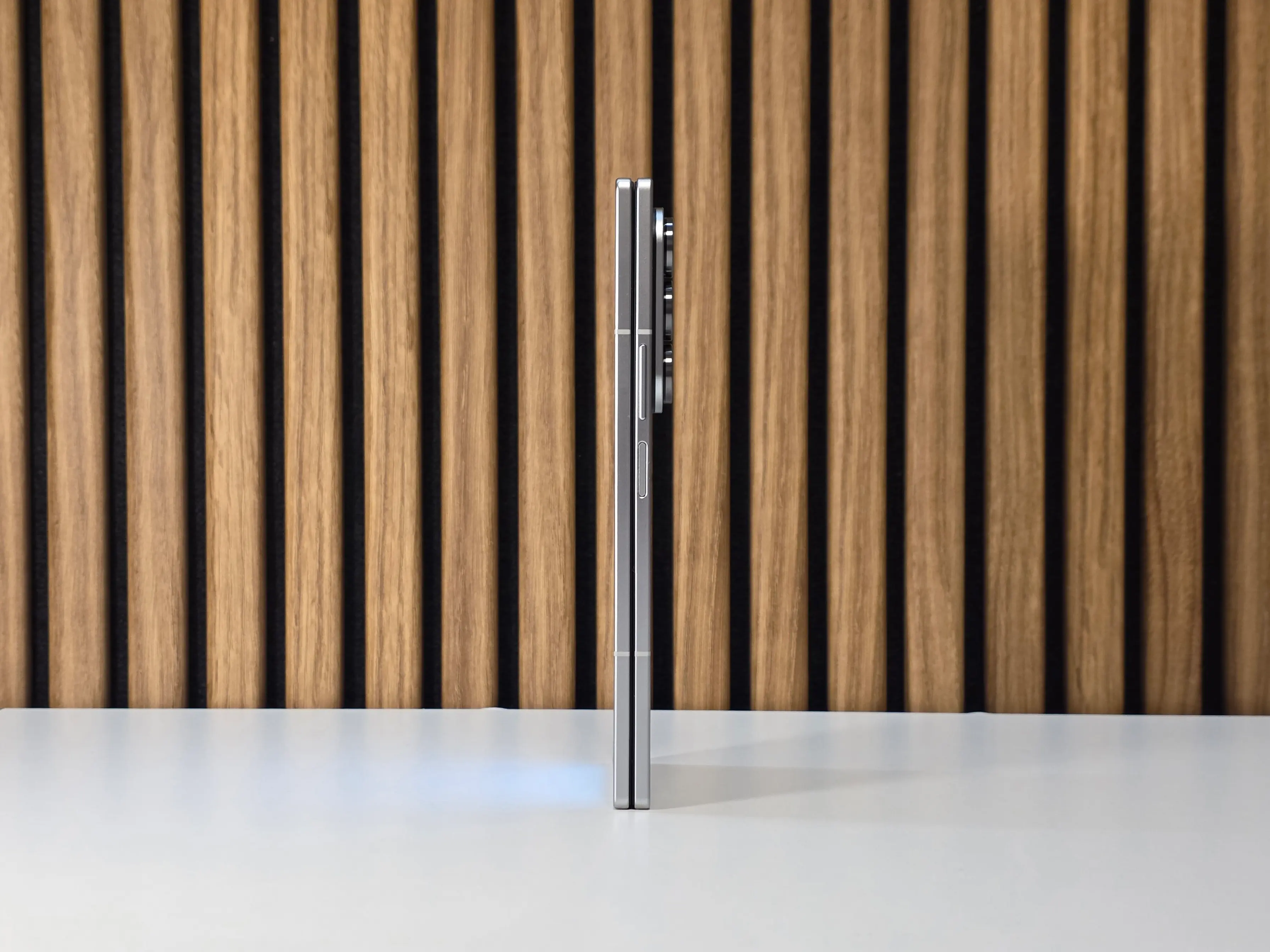 But surely it's still heavy, you'll say? Not any more — it's 3 g lighter than the S25 Ultra, so it really doesn't feel different from a regular phone. Despite becoming much thinner, the Fold7 keeps its IP48 rating for dust and water resistance. The screen and back are covered in Gorilla Glass Victus 2, and the frame is made from very tough Armor aluminium.
 Fine, but the cover screen is probably still so narrow that I'll be retyping every message? The screen is now wider and longer, 6.5 inches, with a 21:9 aspect ratio — much closer to a normal Samsung flagship. I can tell you that sometimes you'll forget about the folding screen entirely, because the outer one is perfectly usable on its own.
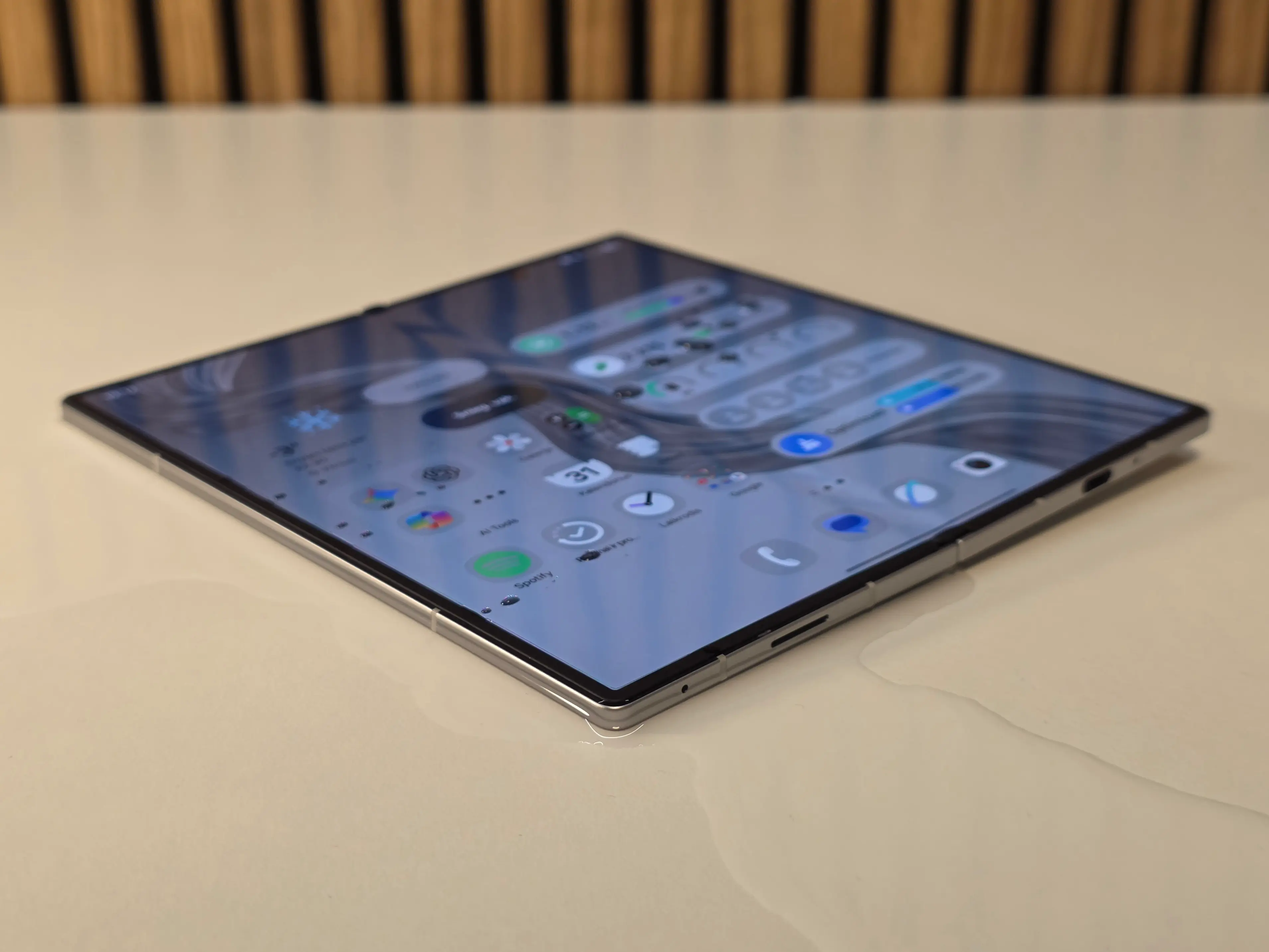
 The flexible display is still square, but it has grown to 8 inches. That's genuinely small-tablet territory, so it fits even more content.
In Lithuania the Fold7 comes in four colours: blue, black, silver grey (the model I tested) and mint. Prices start at €1,999 for 256 GB and reach €2,399 for the 1 TB model (January 2026, samsung.lt).
Displays
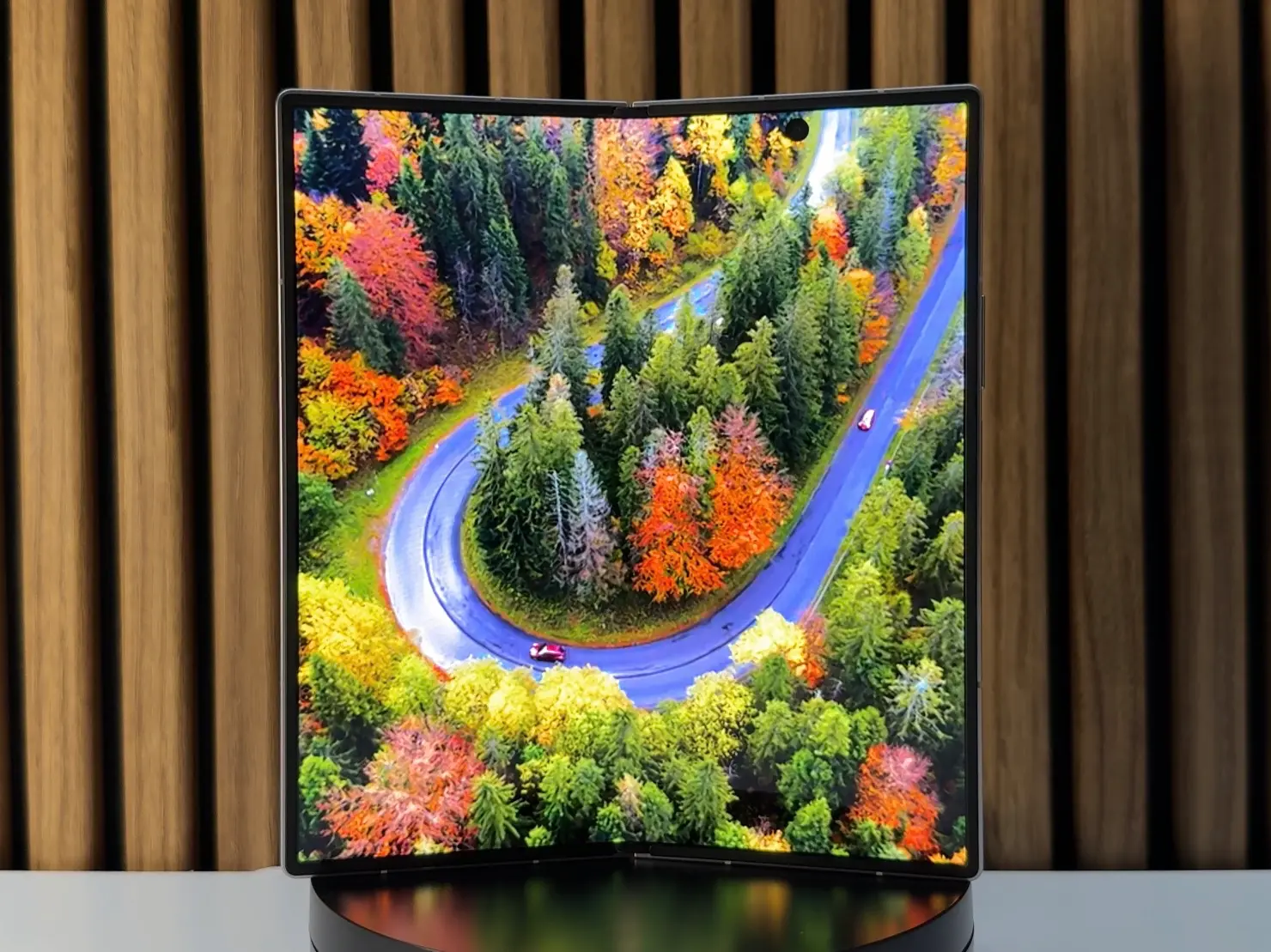 The main folding display is larger at 8 inches. It's a Dynamic AMOLED 2X panel with a 120 Hz refresh rate and 2,600 nits of peak brightness. The screen is square, so it isn't ideal for films, but it's excellent for editing documents, browsing or gaming anywhere. It's comfortable in bright sunlight and in the dark alike, because brightness adapts automatically to the lighting — clearly visible during the day, easy on the eyes at night.
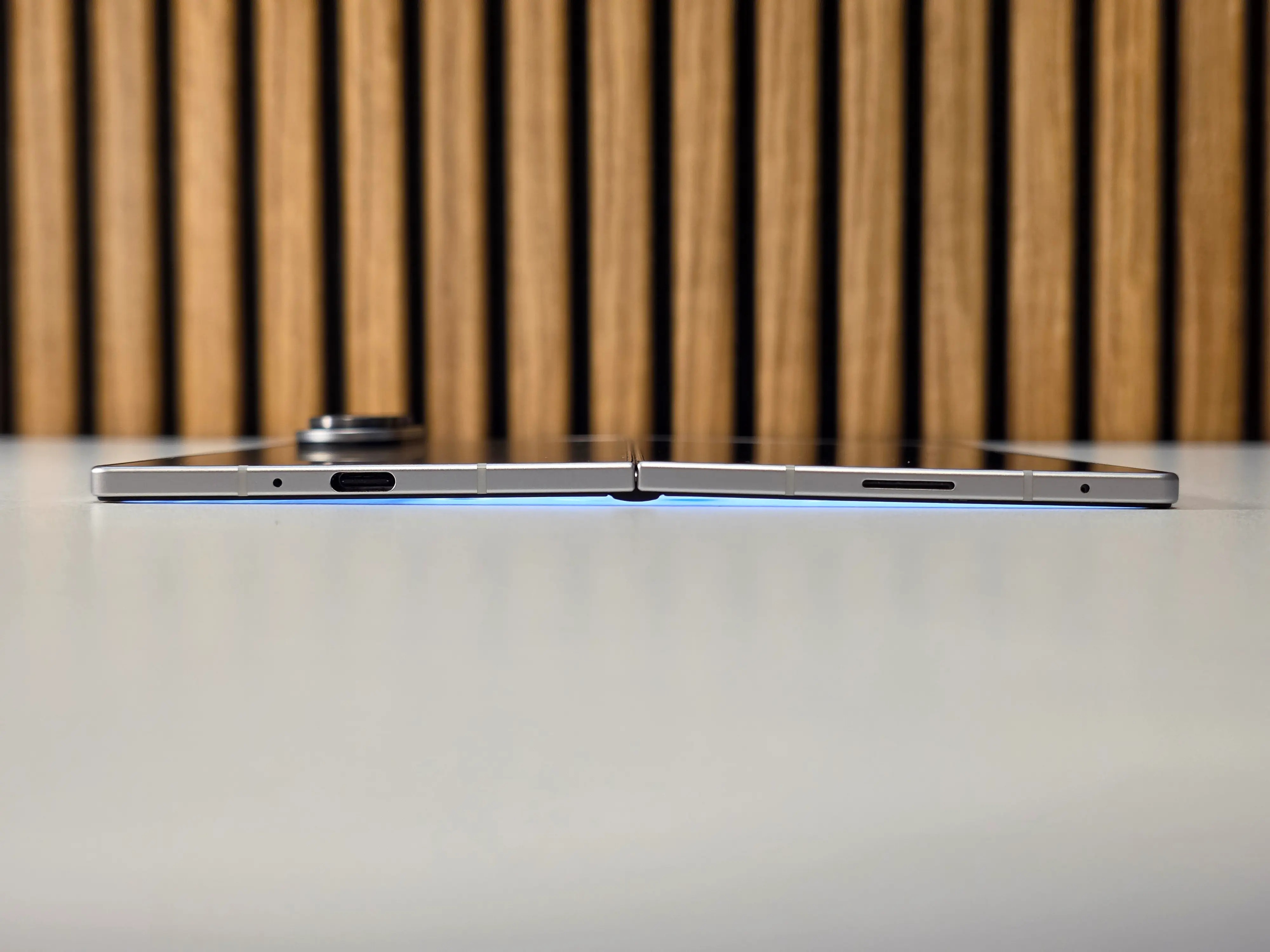 Since this is a folding display, it's fascinating how Samsung managed to make the Fold7 so thin. The crease is barely noticeable — you feel it more with a finger than see it — and that's a big change from the Fold6. The display is reinforced with a titanium layer so it can withstand stronger pressure and bending, and it uses a thinner, more reliable Armor FlexHinge. The Fold7's screen doesn't naturally open to a full 180 degrees; it stays slightly dipped, so to get it perfectly flat you have to bend the device gently the other way. A plastic frame surrounds the display, and the fold line has raised bumpers, just like the Flip7. The ultra thin glass (UTG) is covered with a better quality protective film that also covers the front camera.
This display has, however, lost two features that previous models had. First, S Pen support. In January we already got an S Pen without Bluetooth on the S25 Ultra, and now the S Pen has been dropped from the Fold7 as well. Some people may not notice, since the S Pen Fold Edition was sold separately anyway. For me personally nothing changes, because I rarely reached for the S Pen with the Fold6. Second, the under-display camera. I’d argue that’s a positive change, because the image over the camera used to look very pixelated and selfie quality was poor. Fewer innovative features, sure — but sometimes those features simply aren’t practical.
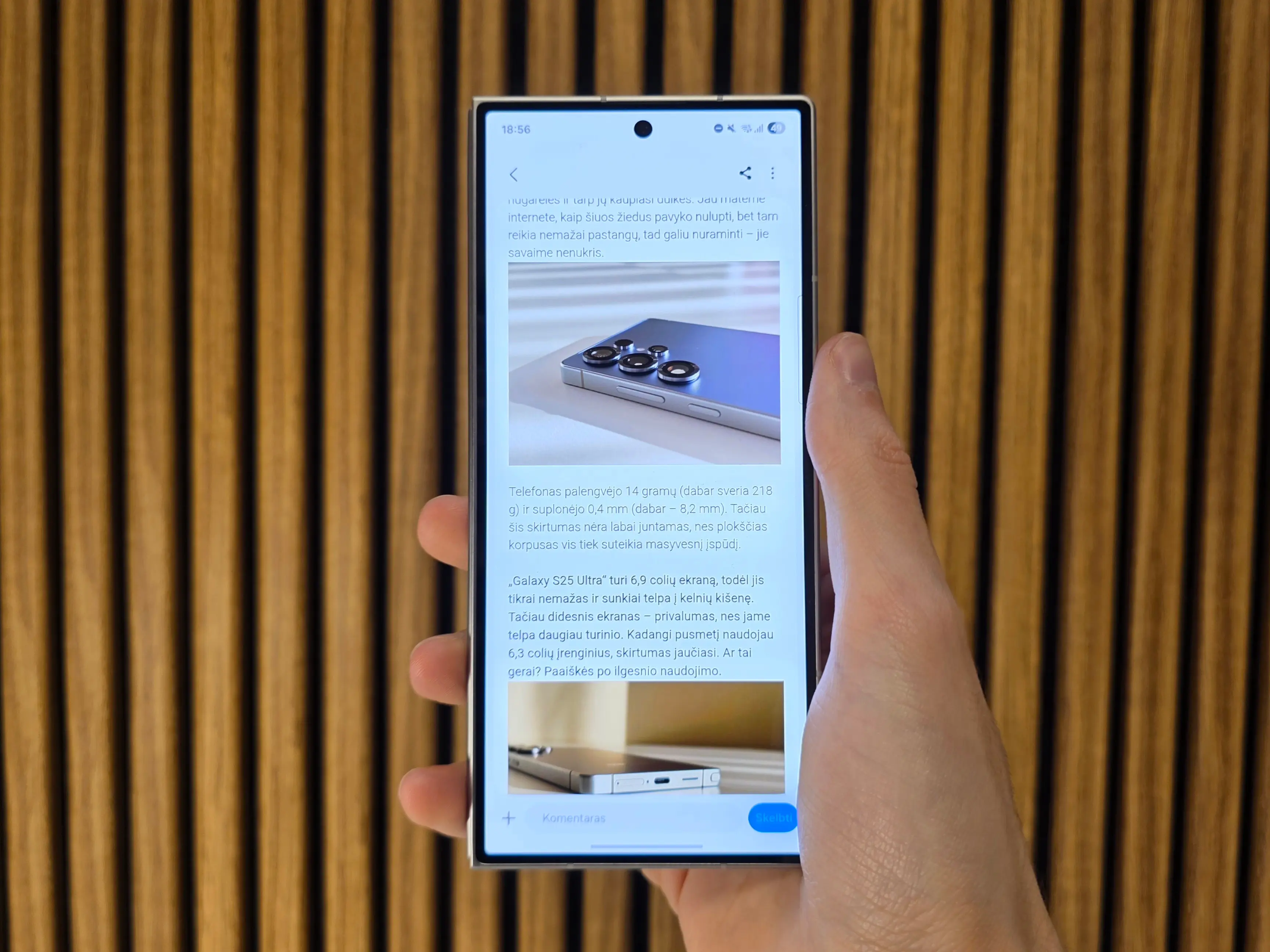 The cover display is 6.5 inches and shares all the key specifications of the main one. It's worth noting that the screen is wider and the folded body sits better in the palm, which makes typing much easier. The bezel around the display is also thinner than on last year's model. This screen is so comfortable to use that I often forgot about the folding one and happily used every phone feature without opening the device at all.
Advertisement
Cameras
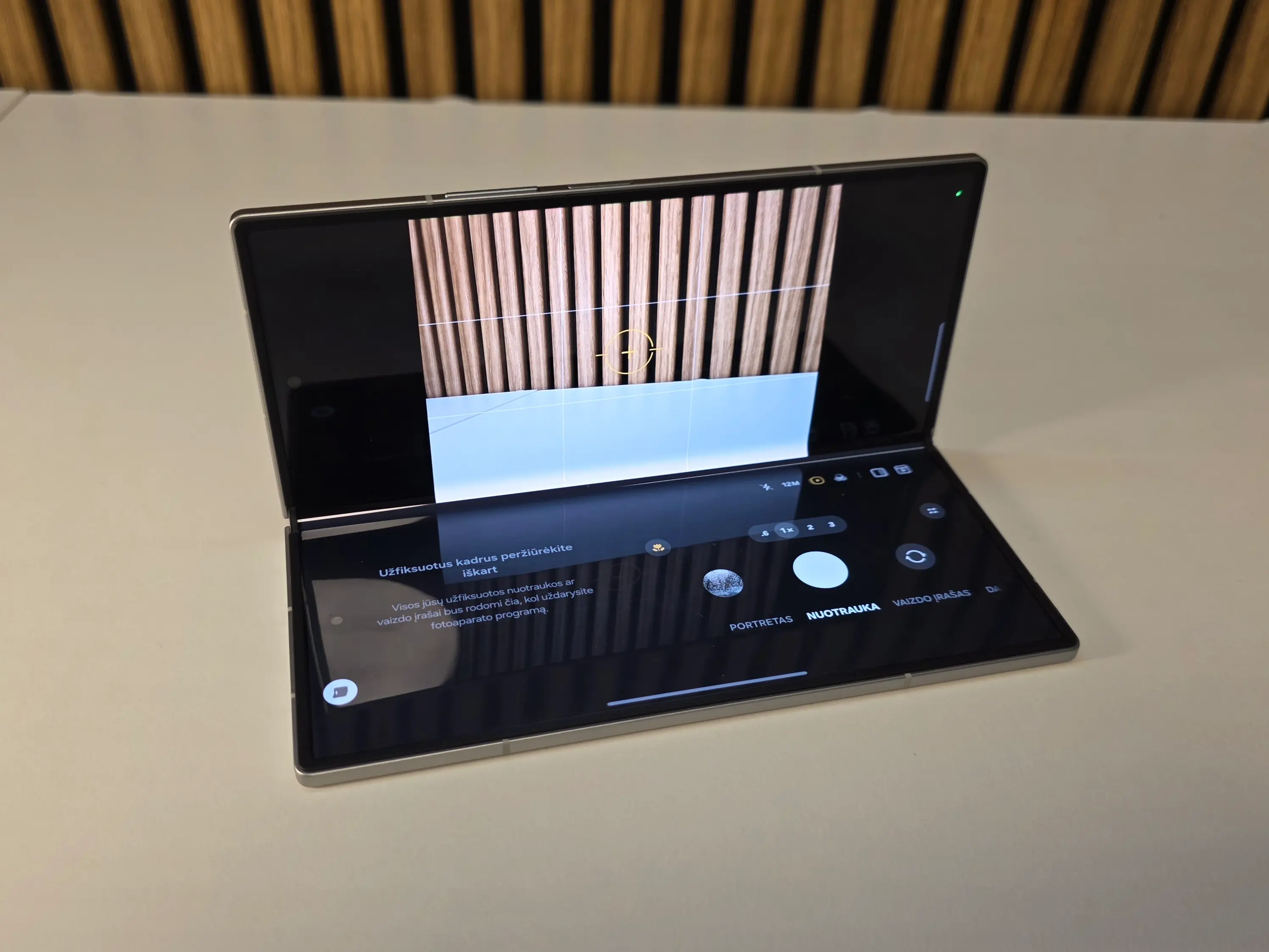 We finally have an "Ultra" camera in a Fold phone — a new 200 MP main sensor, the same one used in the S25 Ultra.
I’m pleased to say photo quality really is better, and the main camera reaches Samsung’s highest photographic standard. Shots are more detailed and better focused, and night mode reduces background noise, so photos look clearer and sharper. The new sensor also enables a 200 MP mode, but I didn’t notice a big difference — I don’t think the extra quality is worth the larger file size.
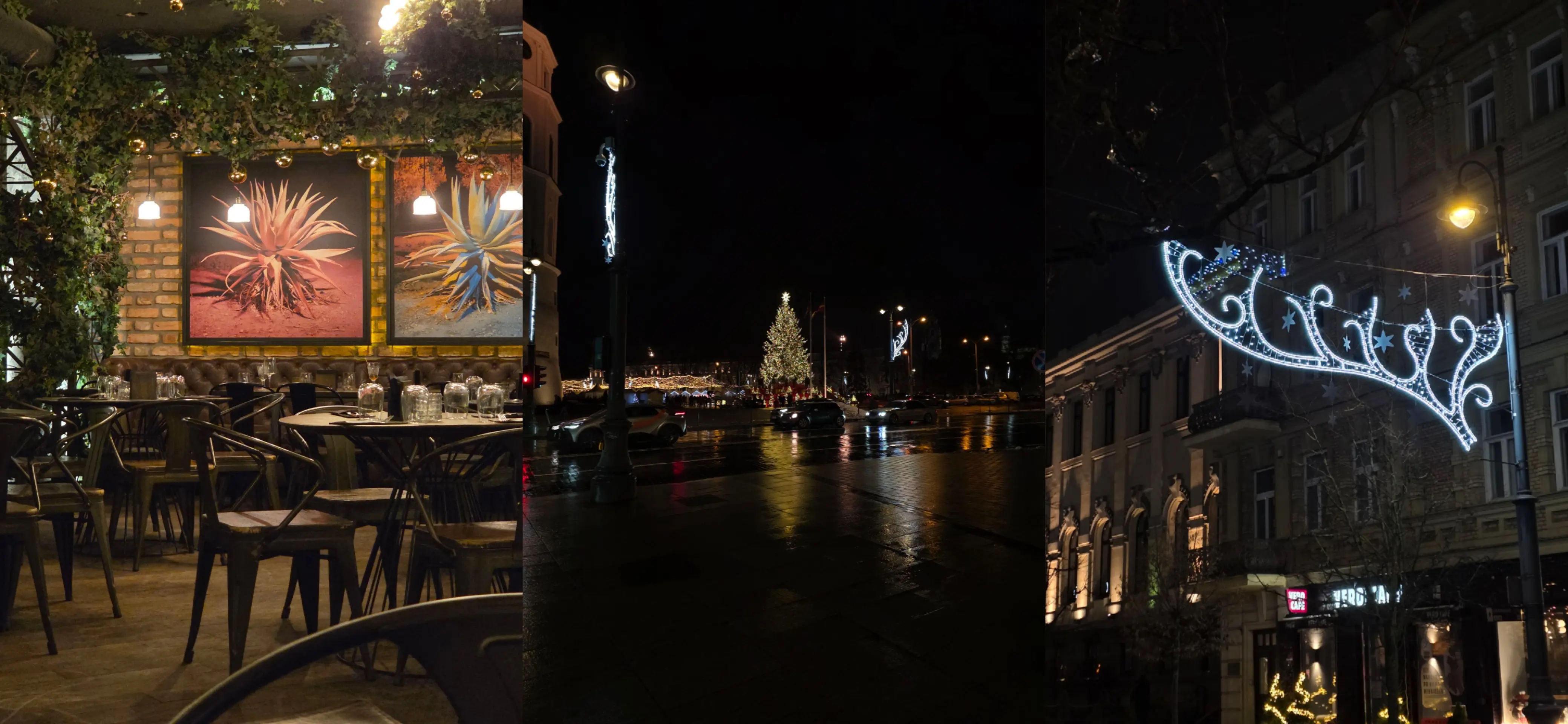
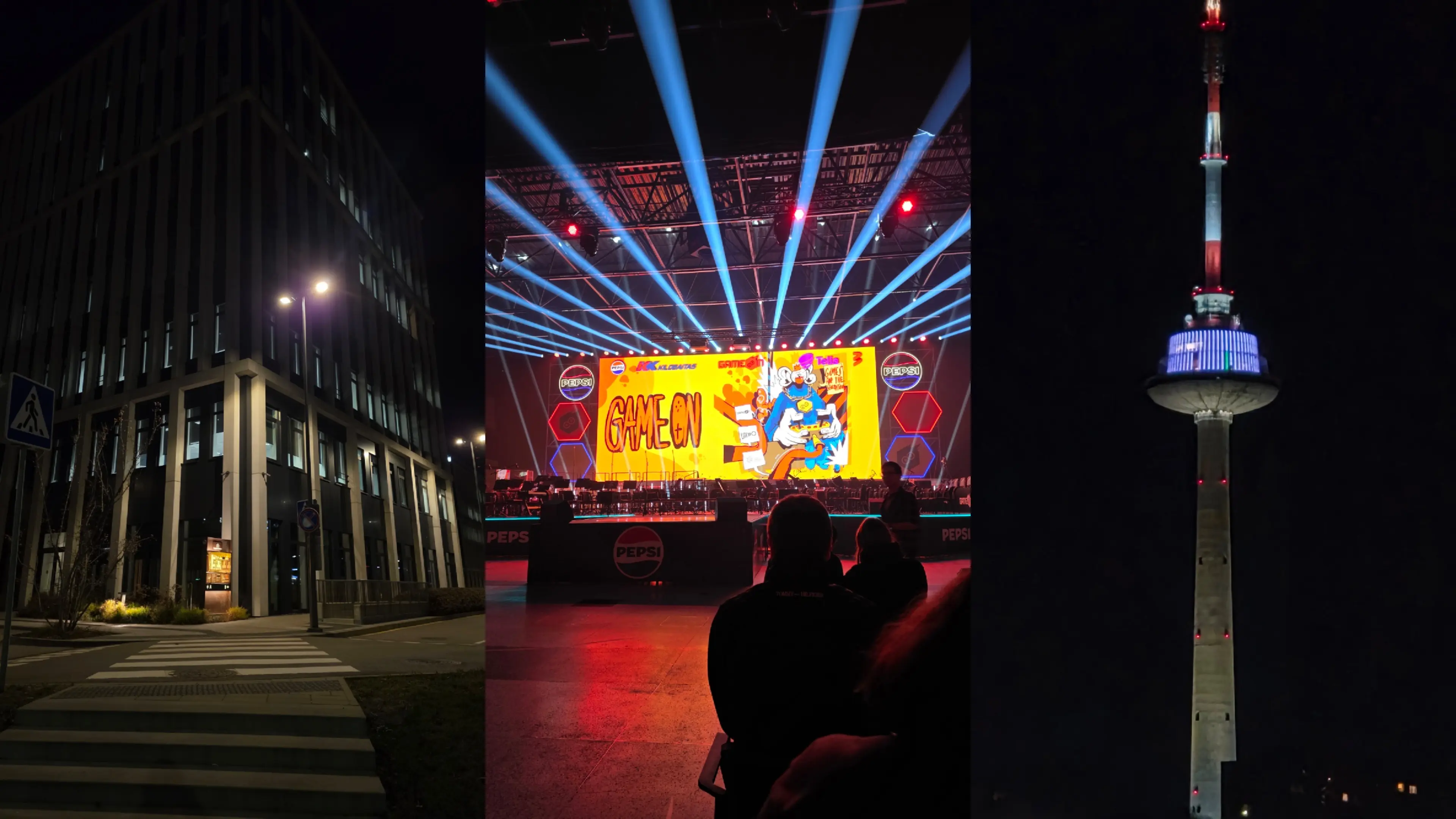
The 12 MP ultra-wide camera has been updated too and now supports autofocus, so you can shoot macro subjects from very close range. It falls short of the S25 Ultra’s 50 MP sensor, but it’s a genuine upgrade over the Fold6.
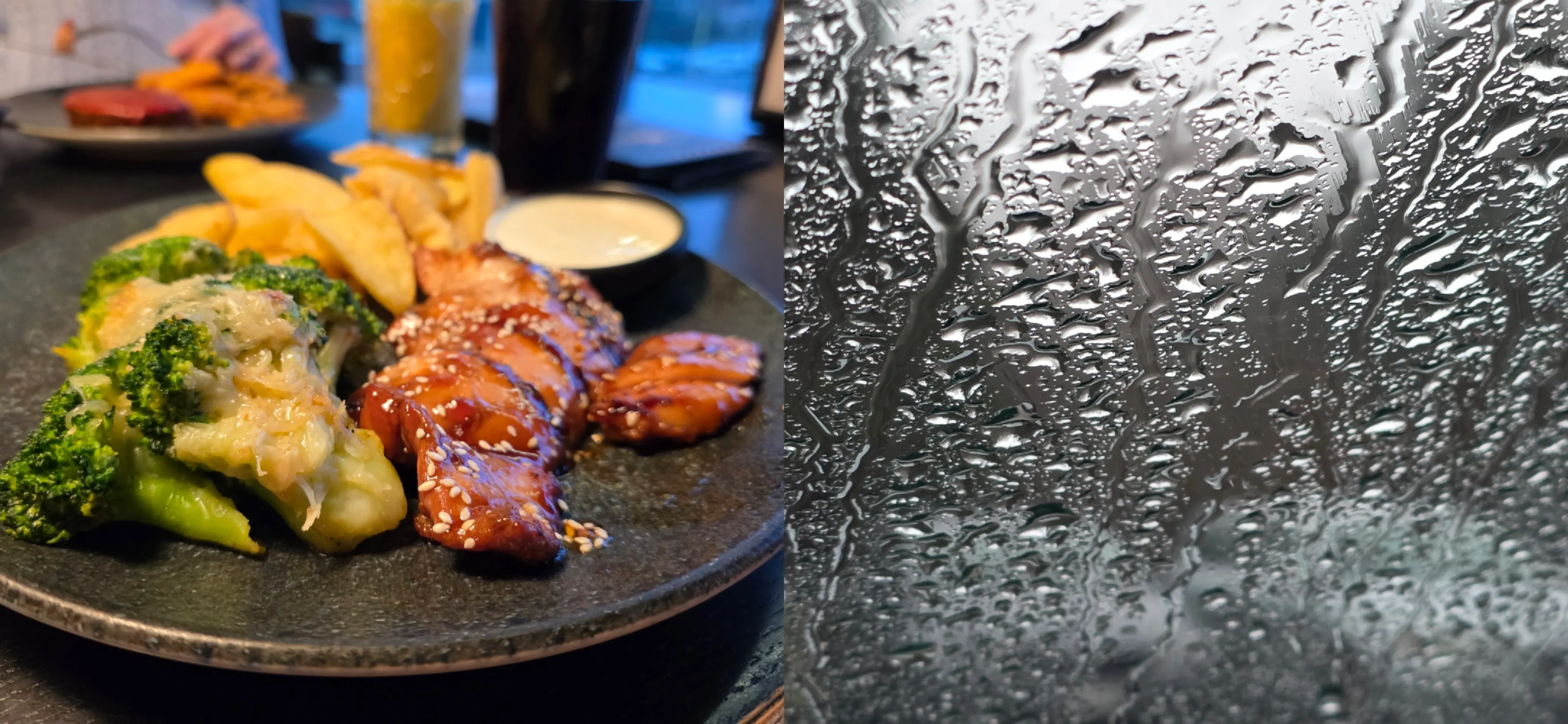
The 10 MP telephoto offers 3x optical and up to 30x digital zoom. It’s identical to the Fold6, so there’s no meaningful change here.
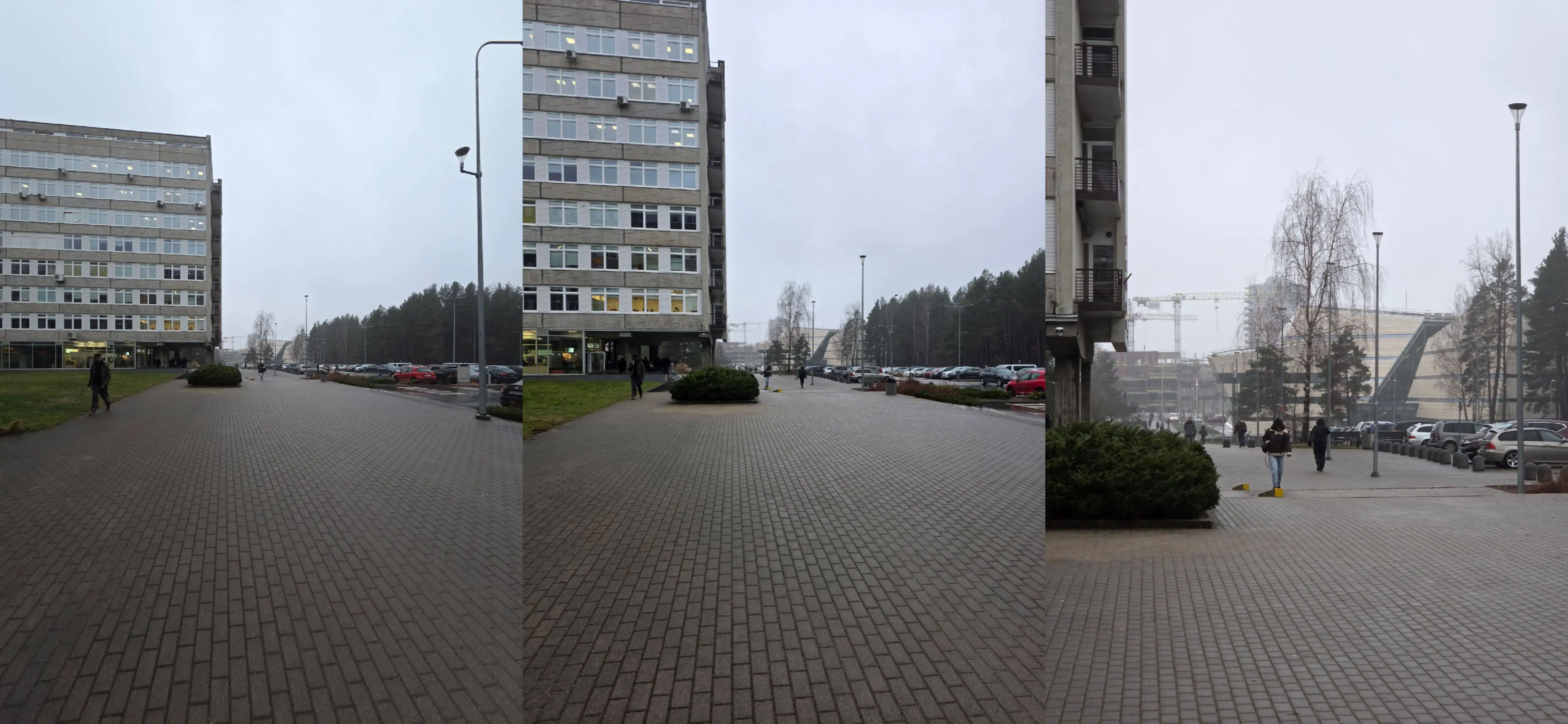
Video goes up to 8K at 30 frames per second. I have few complaints, apart from noise that’s often visible in the background, especially in poorer lighting. Footage and audio record cleanly and are fine for sharing on social media.
The selfie cameras are unchanged — well, the one on the main display is now 10 MP, since it’s no longer hidden under the screen. Quality has improved considerably, and personally I value a sharper image during calls more than a slightly better film-watching experience (the pixels were clearly visible anyway). The cover display uses the same sensor, so quality is identical. What I don’t quite understand is why the display cut-outs are so large compared with the S25 Ultra. The sensor sizes differ, but I’d be curious to know why physically larger sensors were chosen for the Fold7.
Performance and battery
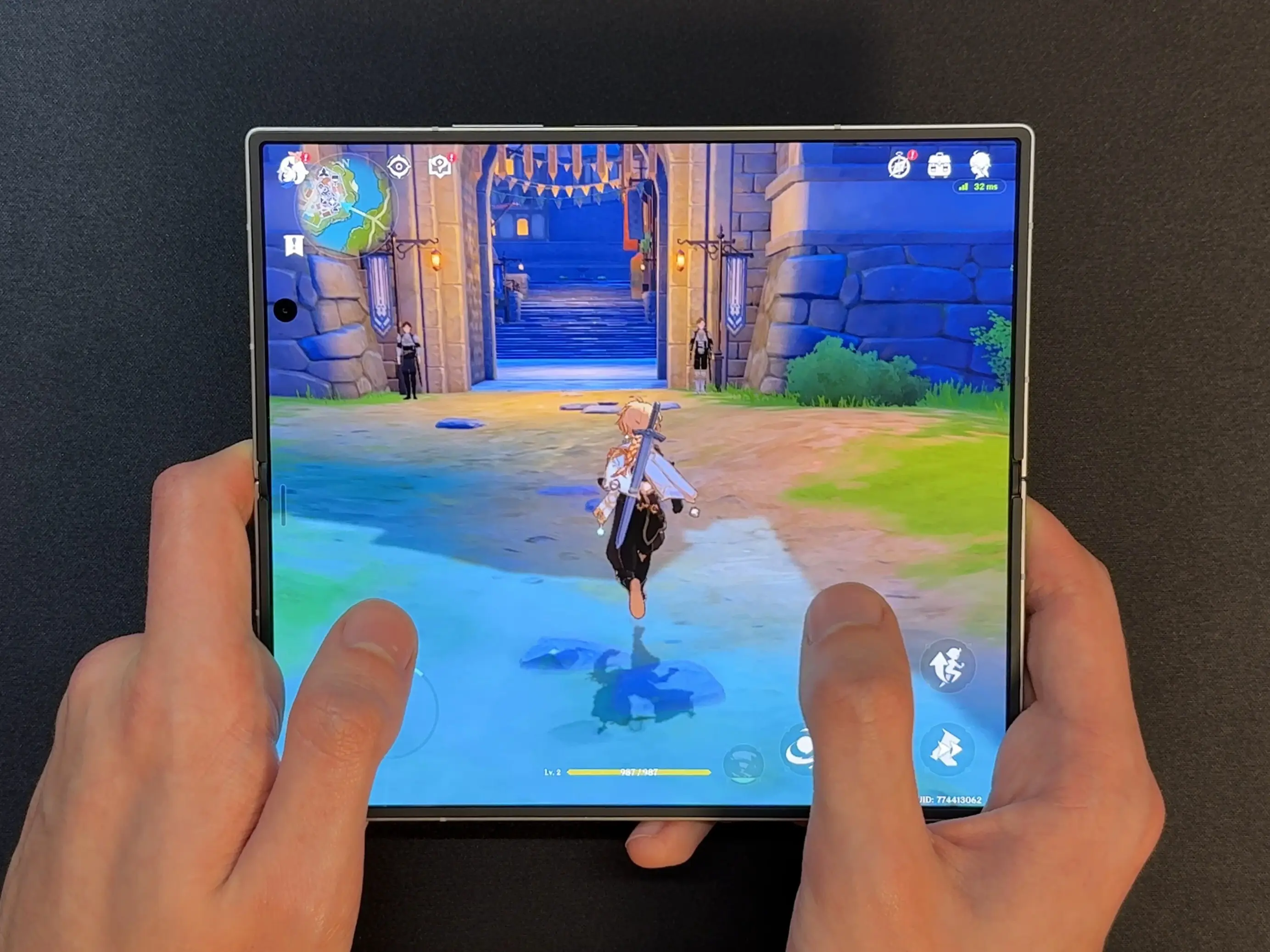 The Fold7 uses the Snapdragon 8 Elite, the same powerful chip found in the S25 Ultra. I really didn't run into any performance or efficiency problems, although Geekbench 6 scores are slightly lower than the S25 Ultra's. Under heavier use the Fold7 does get warm more often, because of that very thin body. Is that a problem when using the device in a case? Not really — and the phone itself performs well, as we saw at Gamescom, where the Fold7 ran the latest titles such as Genshin Impact all day long.
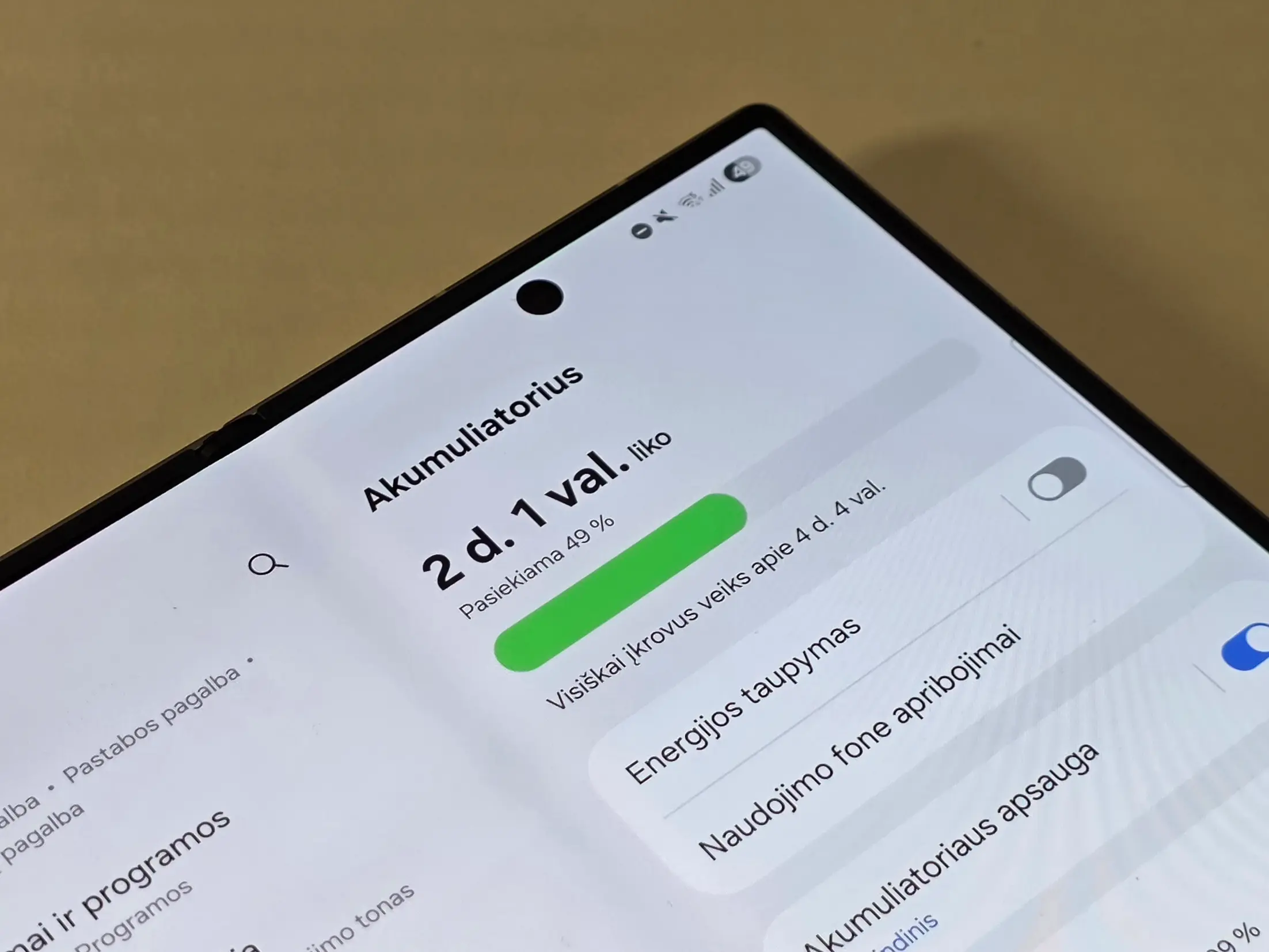 Samsung somehow fitted the same 4,400 mAh battery into the Fold7's slim body. Thanks to the more efficient processor it lasts slightly longer than the Fold6, though I didn't notice a big difference.
Artificial intelligence
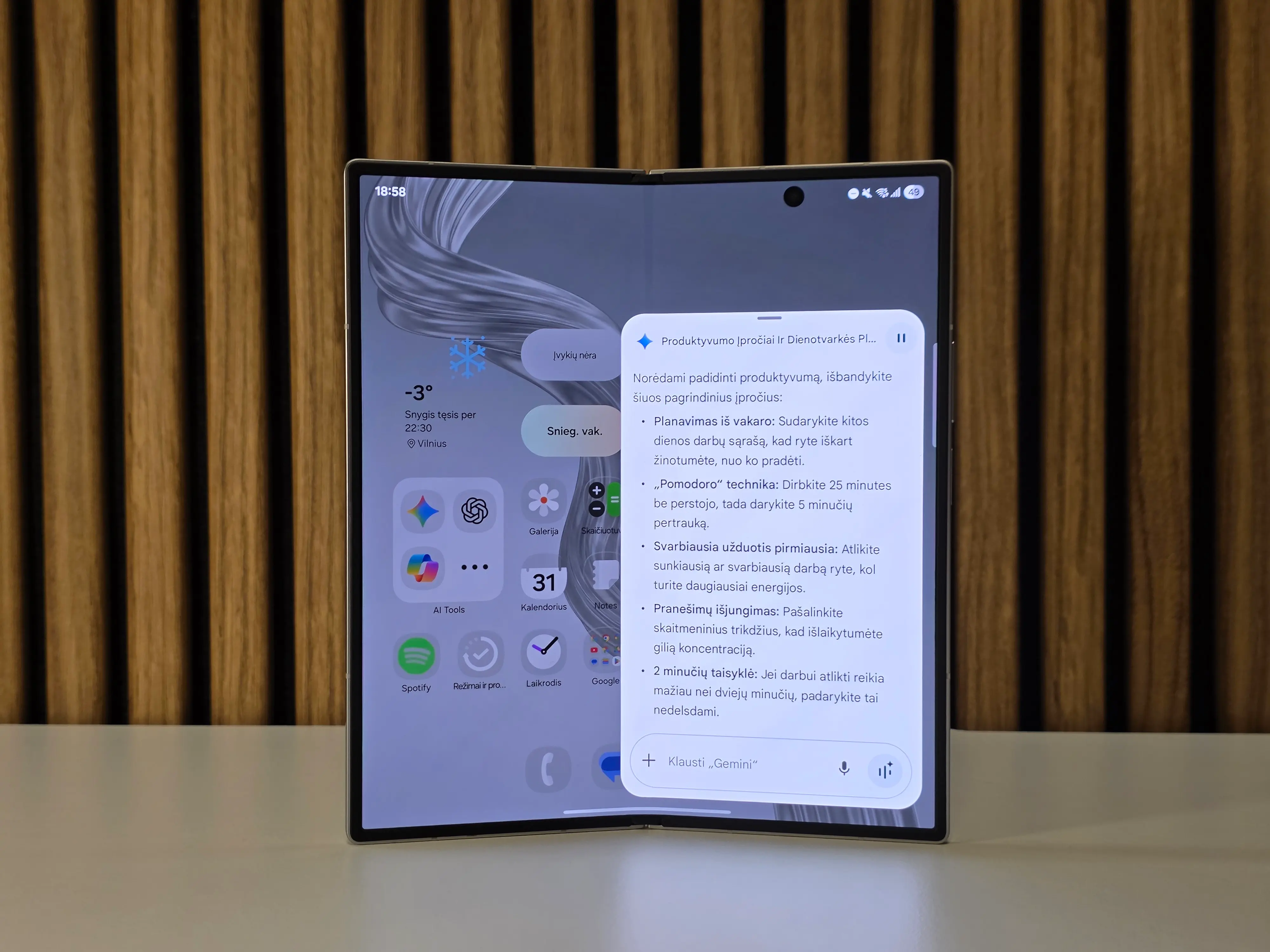 The phone supports the newest AI features. Holding the side button summons the Gemini assistant, which is very convenient — you can ask questions, turn on the camera view with Gemini Live and ask it to describe what it sees or give an opinion on your outfit. Gemini is most useful to me while travelling, when I need to find places to visit, plan a route, translate a menu or decide what to eat.
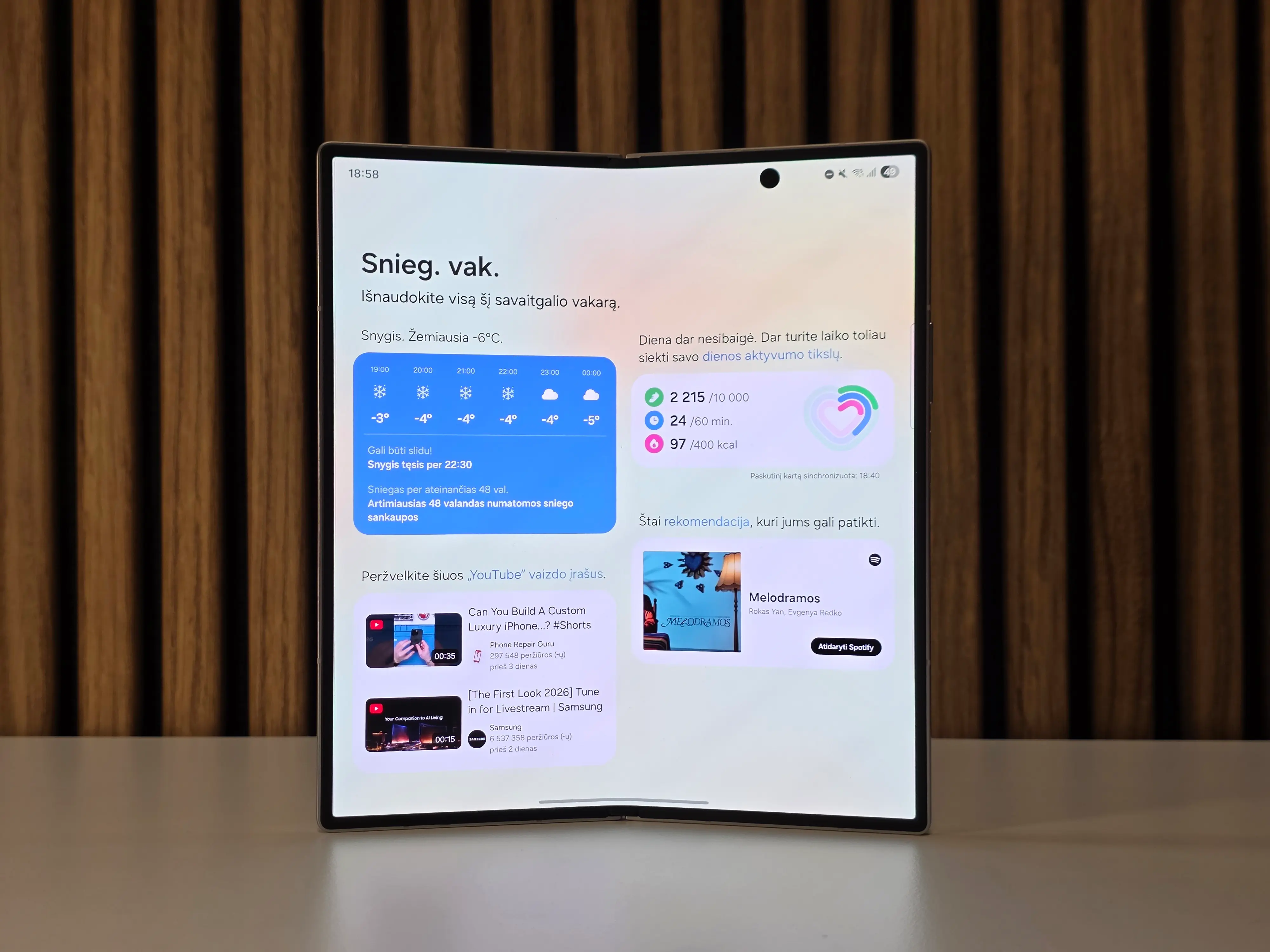 Now Brief helps you start the day well. On the Fold7's screen you can see the most important information at a glance: sleep quality and energy level (if you sleep wearing a Galaxy Watch), the weather, upcoming events, photos from trips and other moments, a new Spotify playlist to discover, or a YouTube recommendation. The Now Bar conveniently shows not just Now Brief but various active apps too, including workouts, music, timers and more.
The Fold7 also ships with Samsung’s own Galaxy AI features, such as Live Translate, which makes use of both screens, Note Assist, which helps summarise notes, Generative Edit, which removes unwanted objects from photos, and Audio Eraser, which strips noise out of video.
One UI
Samsung took a long time with the One UI 7 update this year, but followed it very quickly with a new version. The Fold7 arrives running One UI 8 and Android 16.
One UI 8 doesn’t differ hugely from One UI 7, but design and stability bugs have been fixed and animations run even more smoothly. The biggest changes are in lock screen editing: the new clock changes shape according to the person or animal in your photo. Galaxy Buds settings have also moved into the phone’s settings, so you no longer need the separate Galaxy Wearable app. That’s considerably more convenient.
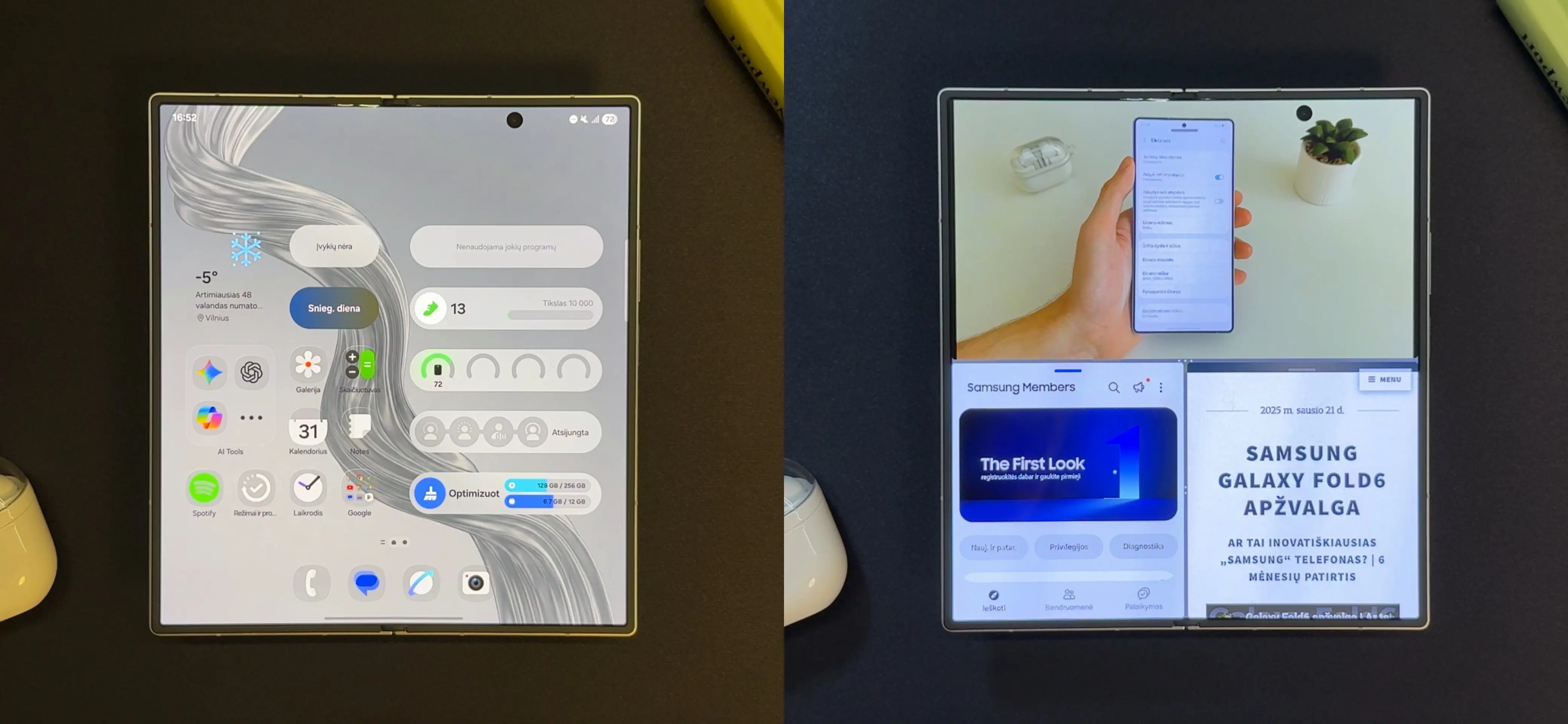
The Fold7 has an updated DeX mode, so connecting the phone to an external monitor or TV gives you a desktop experience. One UI 8 changed the DeX design so it no longer resembles a conventional desktop UI, but window management works better and more comfortably.
Like most Samsung devices released since 2024, the Fold7 promises up to seven years of OS and security updates, so you’ll be able to use your phone for a long time and, most importantly, safely.
Verdict: pros and cons
| Pros | Cons |
|---|---|
|
|
The Samsung Galaxy Fold7 is the biggest leap the series has made since 2019 — an innovative, powerful device whose design changes we have been waiting for the longest. Thanks to its revolutionary thinness and a weight that undercuts even the S25 Ultra, plus a finally comfortable, wider cover display, this phone no longer feels like a compromise. The new 200 MP camera and seven years of support deliver a genuinely flagship experience, despite the removed S Pen and the warmth under heavy load.
You can buy the Fold7 through this link. Buying through this link helps support my work.
Read next
 3 November 2025
Samsung Galaxy Flip7 review
Finally, a Flip I want to keep
 21 January 2025
Samsung Galaxy Fold6 review
The most productive foldable | 5 months of use
 16 April 2024
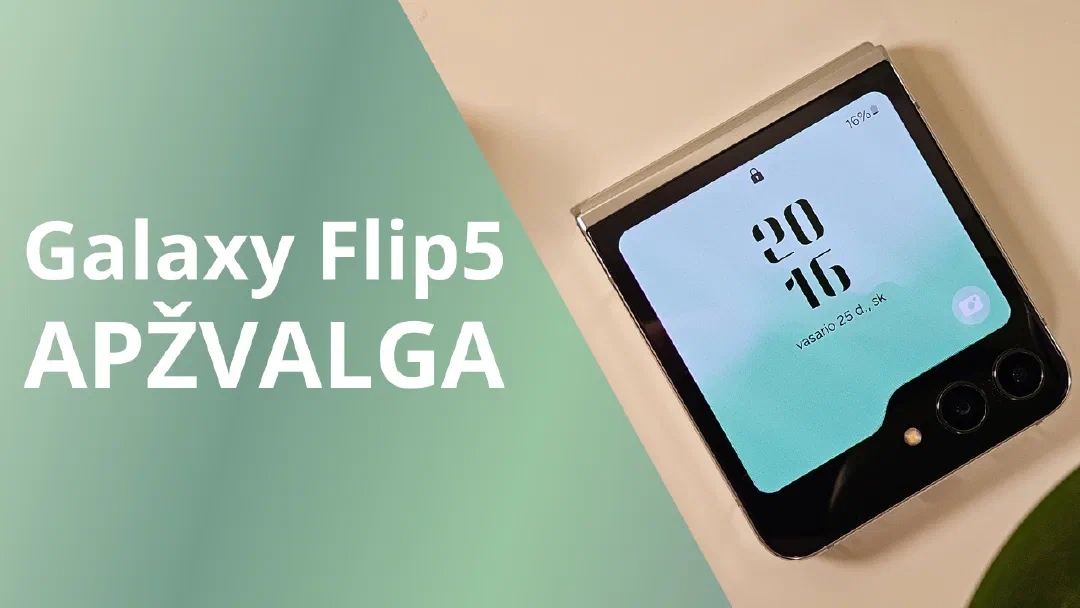
Samsung Galaxy Flip5 review
The most compact and stylish Samsung flagship | 4 months of use
Advertisement