
Samsung Galaxy S23 review
The small Samsung flagship | 1 month of use
In February I had the chance to try the smallest member of the newest flagship Galaxy S23 line-up — the Galaxy S23. The review is over a month late, but as they say, better late than never. So I’m finally dotting the i’s and presenting my Galaxy S23 review.
The Galaxy S23 Ultra, which drew most of the attention, rather overshadowed the smaller members of the series, the Galaxy S23 and Galaxy S23+. I was curious to find out exactly what updates these models received.
The box
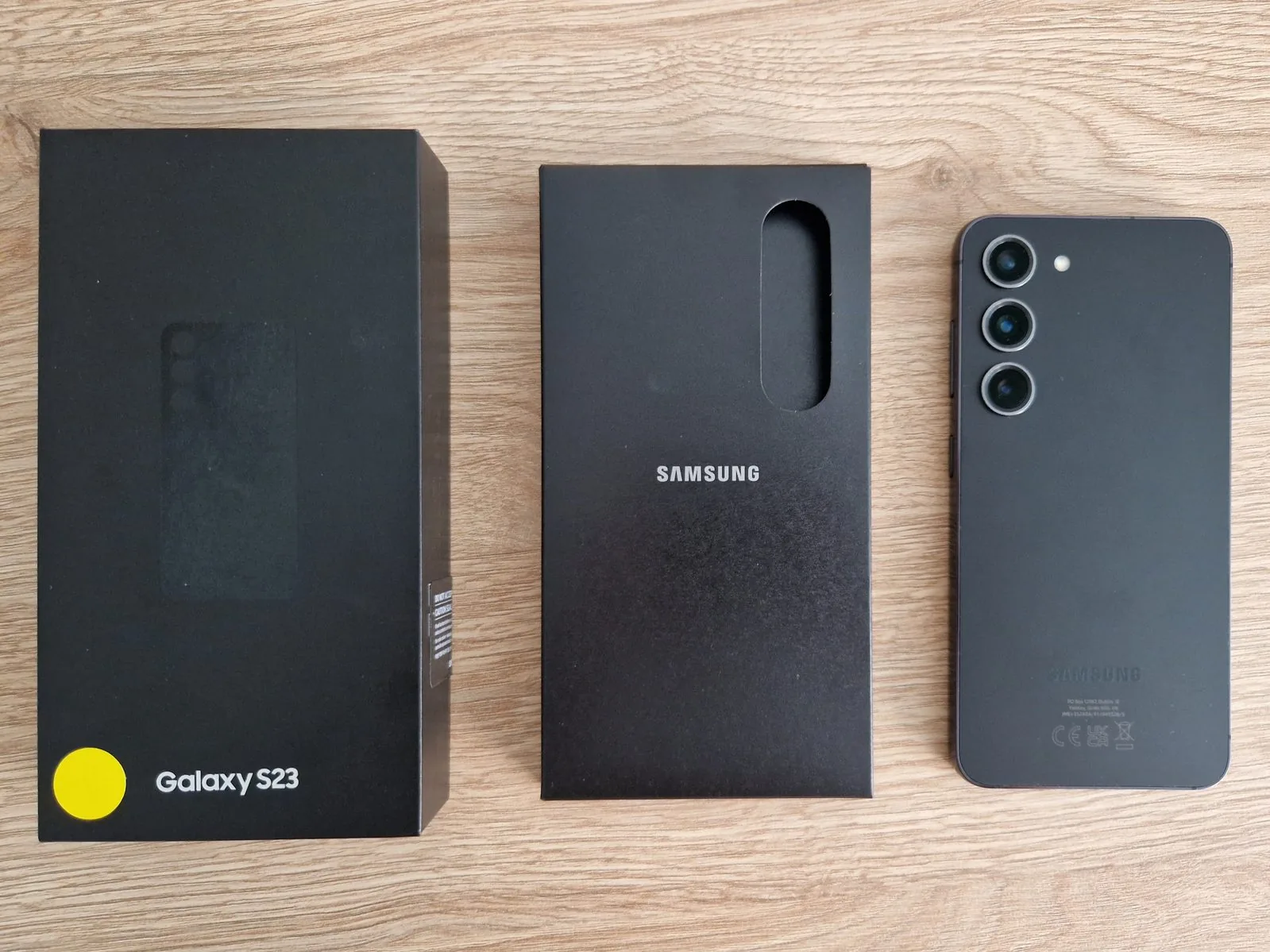 Nothing much has changed — this is the third year running that buying a Galaxy S device gets you only the phone and a USB-C cable in the box. But this year Samsung made the boxes thinner still, using less plastic and more recycled paper: the packaging itself is made from 100% recycled paper. I hope these minimal sustainability steps contribute a little to the greater good. More on sustainability shortly.
Design
The Galaxy S23’s design hasn’t changed much this year. The display and back glass are covered in the newest and toughest Gorilla Glass Victus 2, and the frame is made from very sturdy Armor Aluminum.
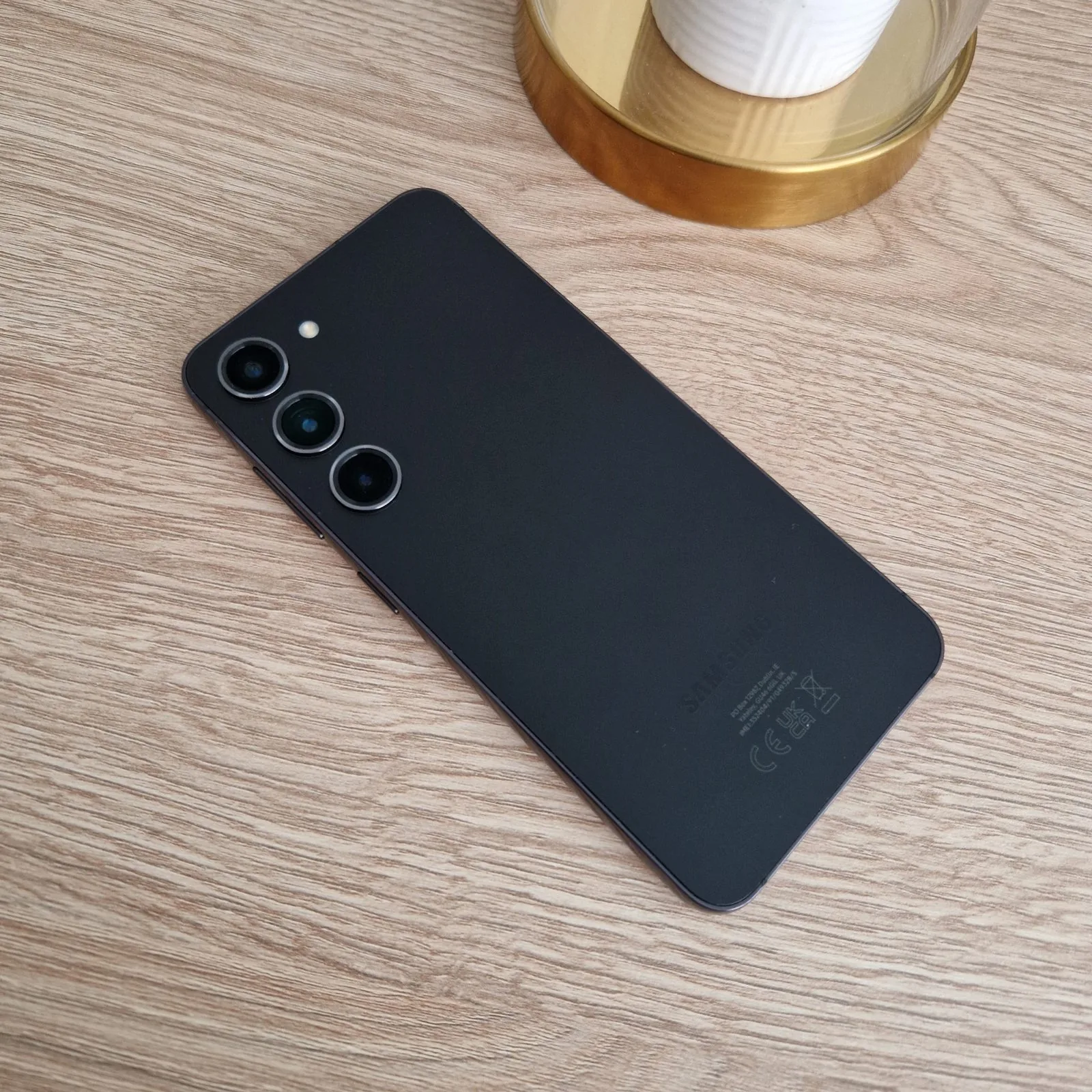 This year's phones are more sustainable still. The dyes used to anodise the metal frames are made from 10% natural pigments. The front and back glass contain an average of 22% recycled material. The finishing film on the back glass contains at least 80% recycled content.
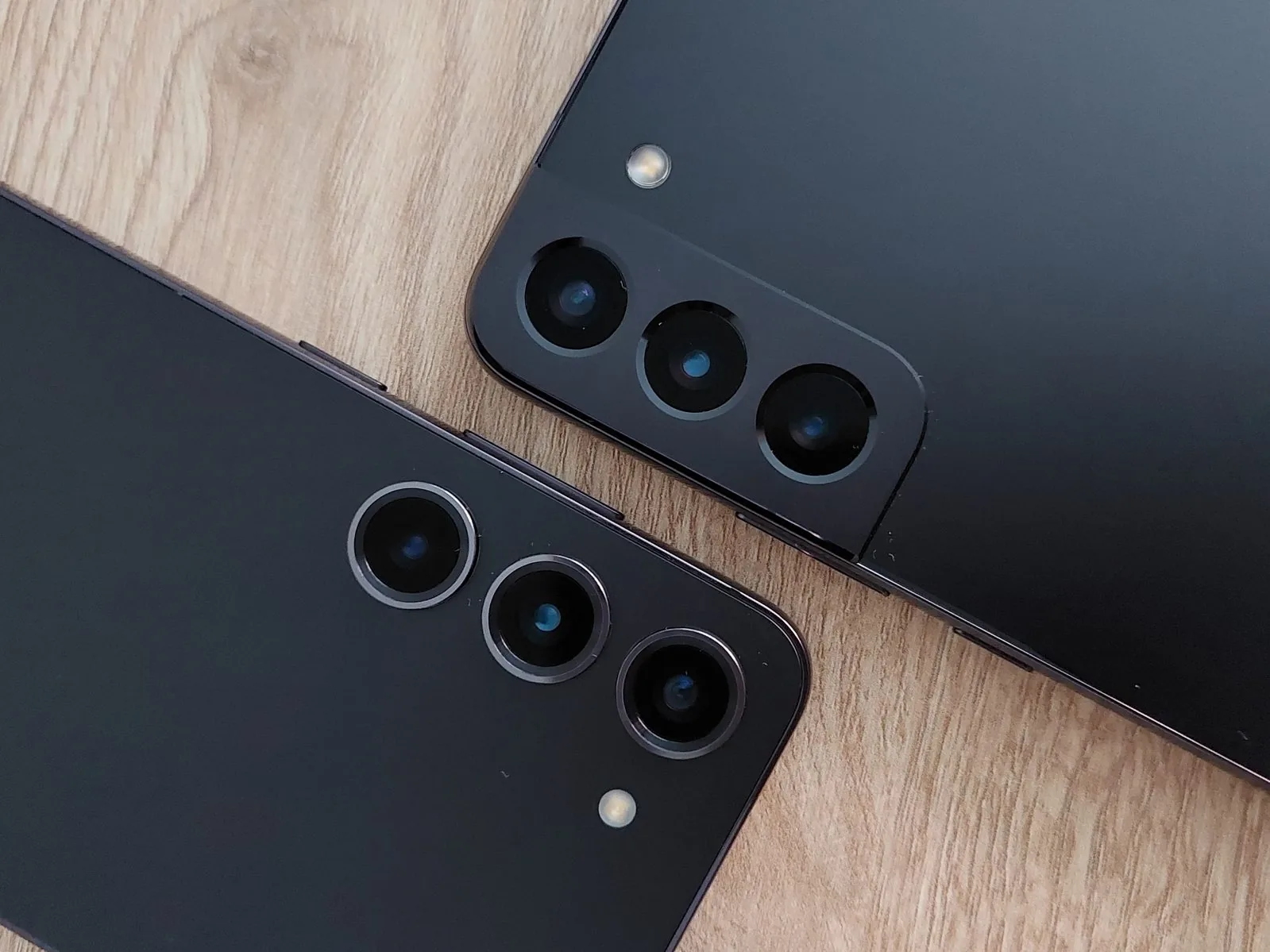
The most noticeable difference compared with last year’s model is the rear camera design. Samsung dropped the Galaxy S22’s single camera module and this year introduced a design similar to the Galaxy S23 Ultra. At first I wasn’t keen on this updated camera design, but the separate modules grew on me and came to look very premium.
 The Galaxy S23 has a 6.1-inch display. That really is a small phone by today's standards. I've grown unaccustomed to smaller devices, so I won't hide it — on the first day it felt very strange holding such a "tiny" phone. On the other hand, the Galaxy S23 drops easily into any pocket and causes no discomfort.
The Galaxy S23 comes in four nature-derived colours: green, cream, lavender and phantom black. The model I tested was the last of those.
Display
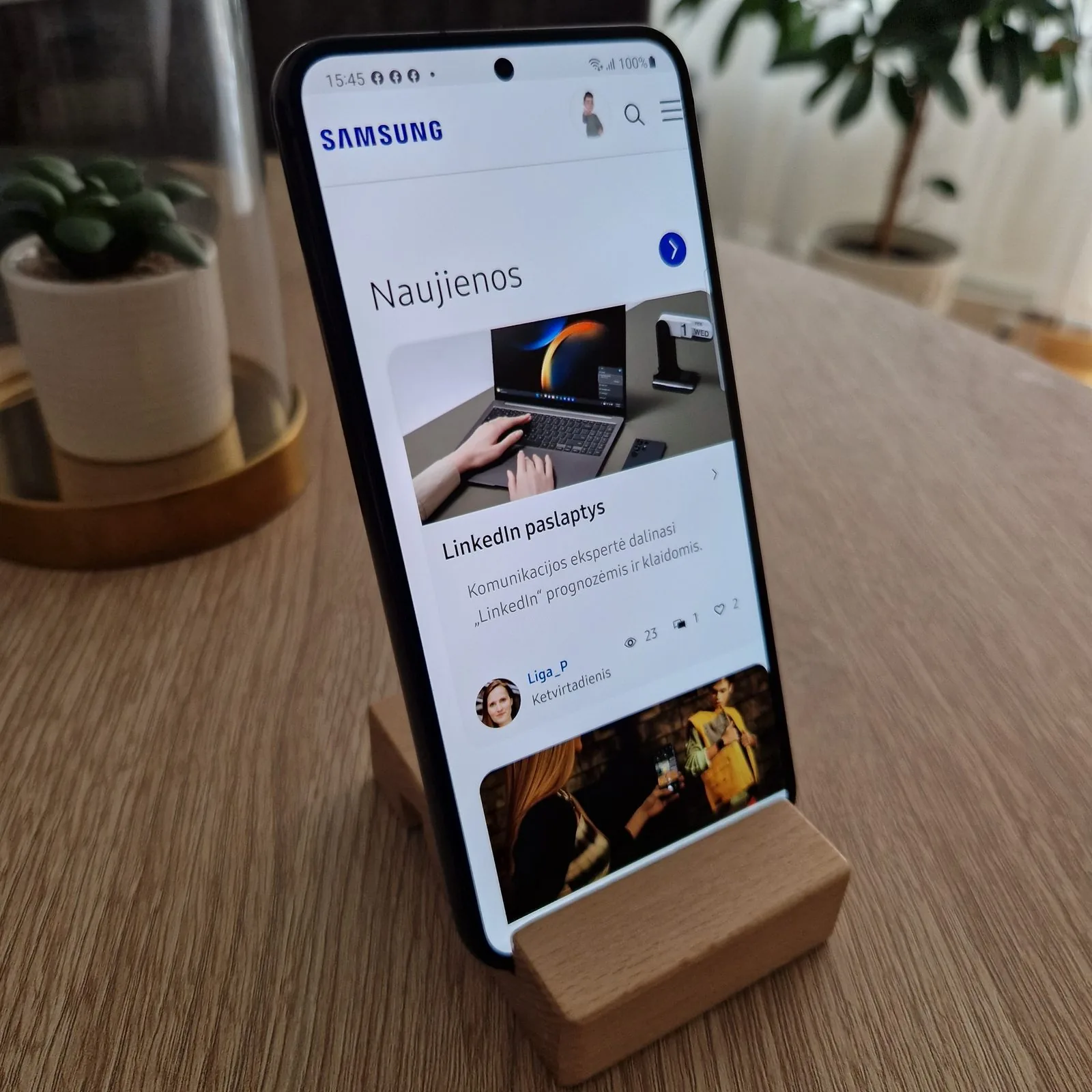 As I mentioned, the Galaxy S23's display is 6.1 inches, 120 Hz, with 1,750 nits of brightness. This year's screen is brighter, matching the larger models. The Galaxy S23's Vision Booster is more refined too, with three brightness levels selected according to ambient light.
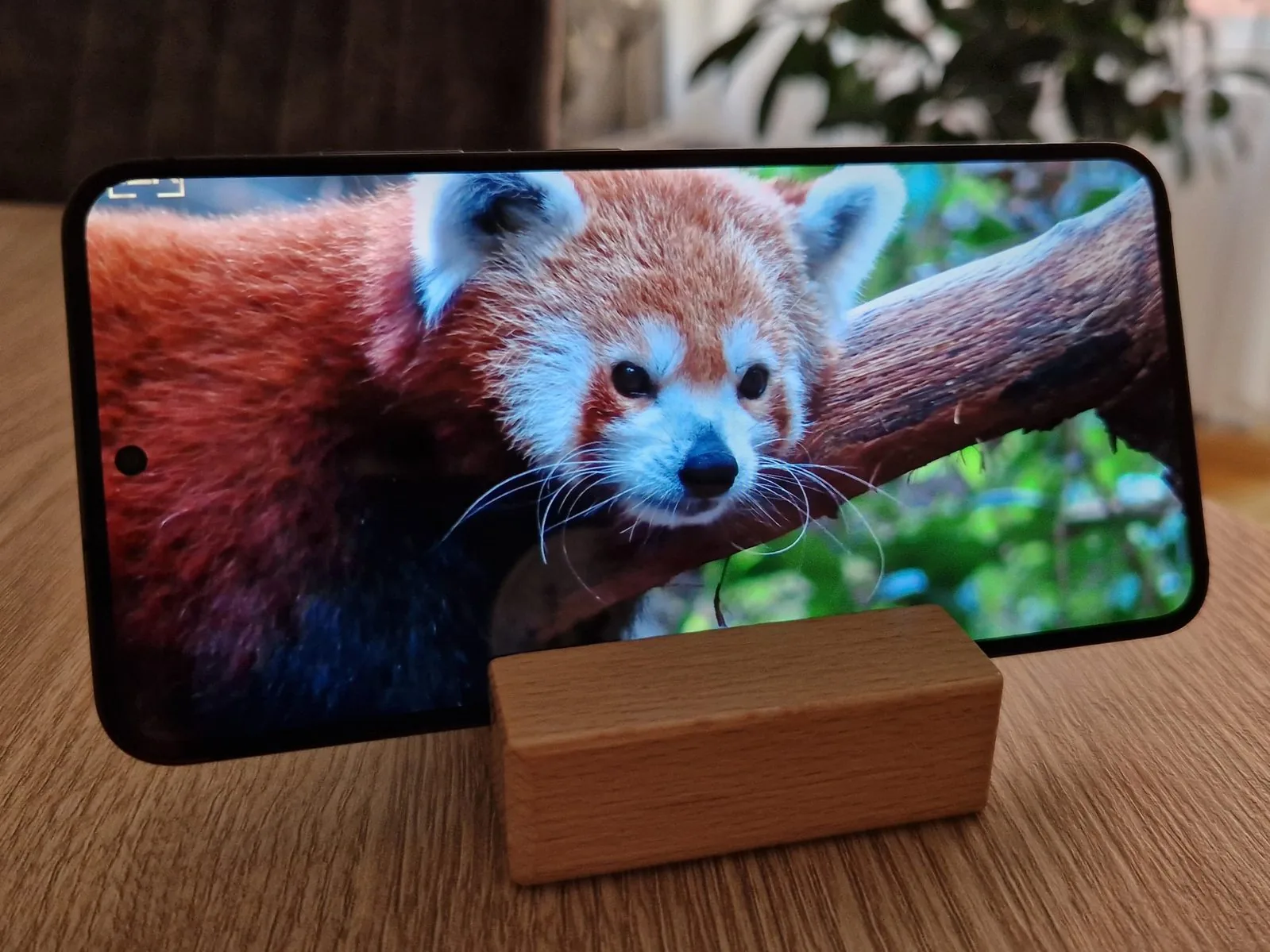 The display suits all kinds of content — you can watch videos or Instagram stories without any problem. The selfie camera sits centred at the top. A thin black bezel surrounds the Galaxy S23's screen. I never understood why that bezel attracted so much criticism online. This year the Galaxy S23 and Galaxy S23+ displays are completely flat, without even the slight curvature of the Galaxy S22.
Advertisement
Camera
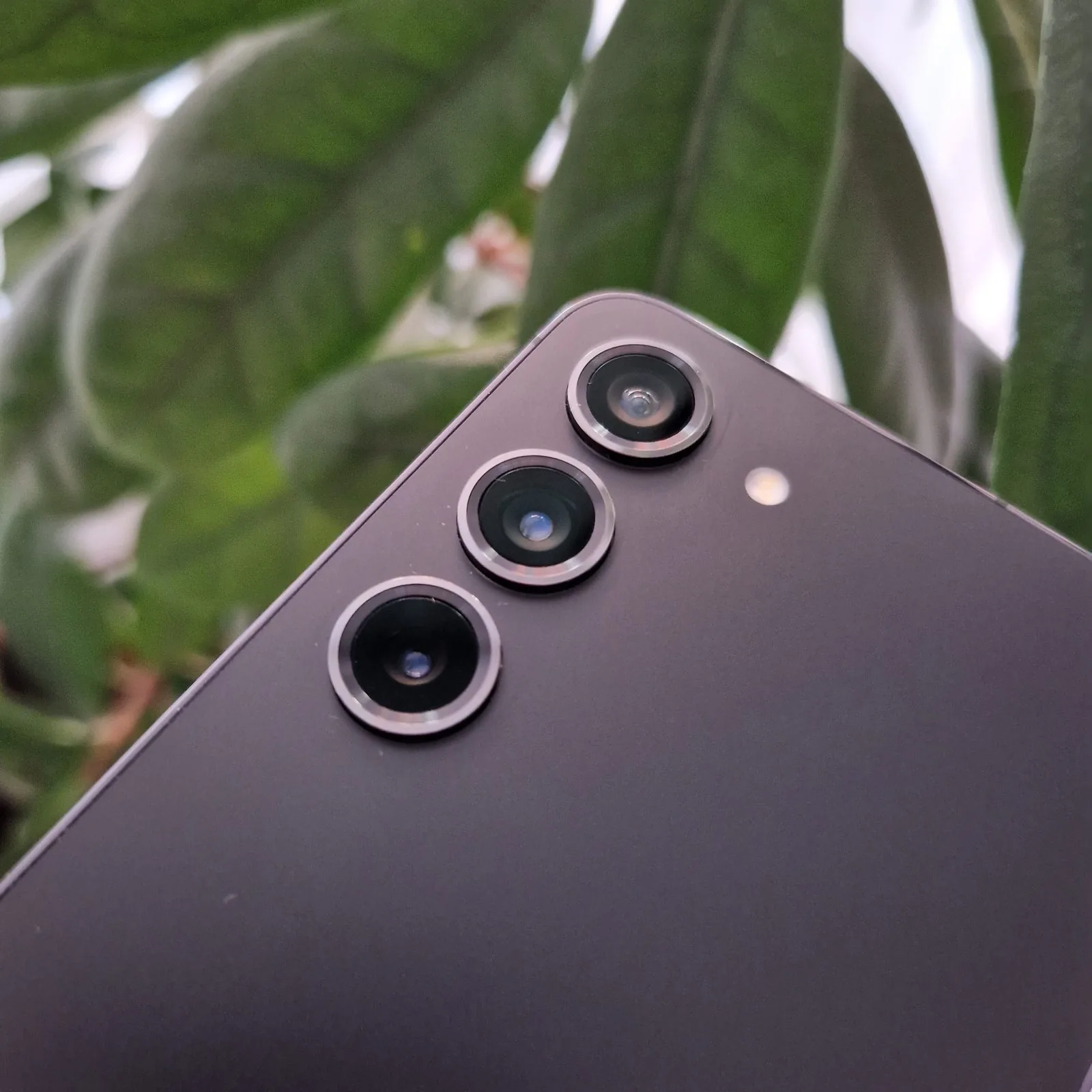 What updates did the Galaxy S23 get in the camera department? All three rear cameras are identical to its predecessor, the Galaxy S22: a 50 MP main, a 10 MP telephoto with 3x optical zoom, and a 12 MP ultra-wide.
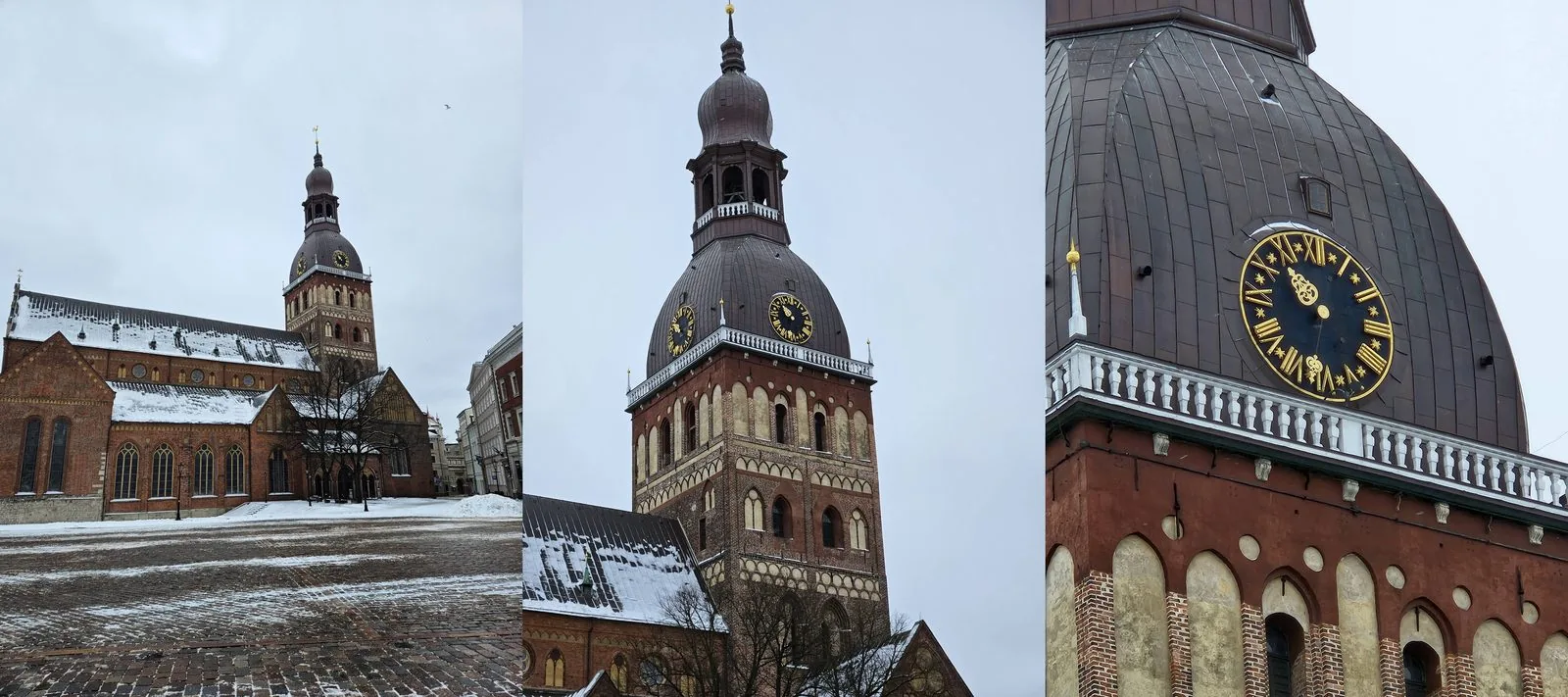
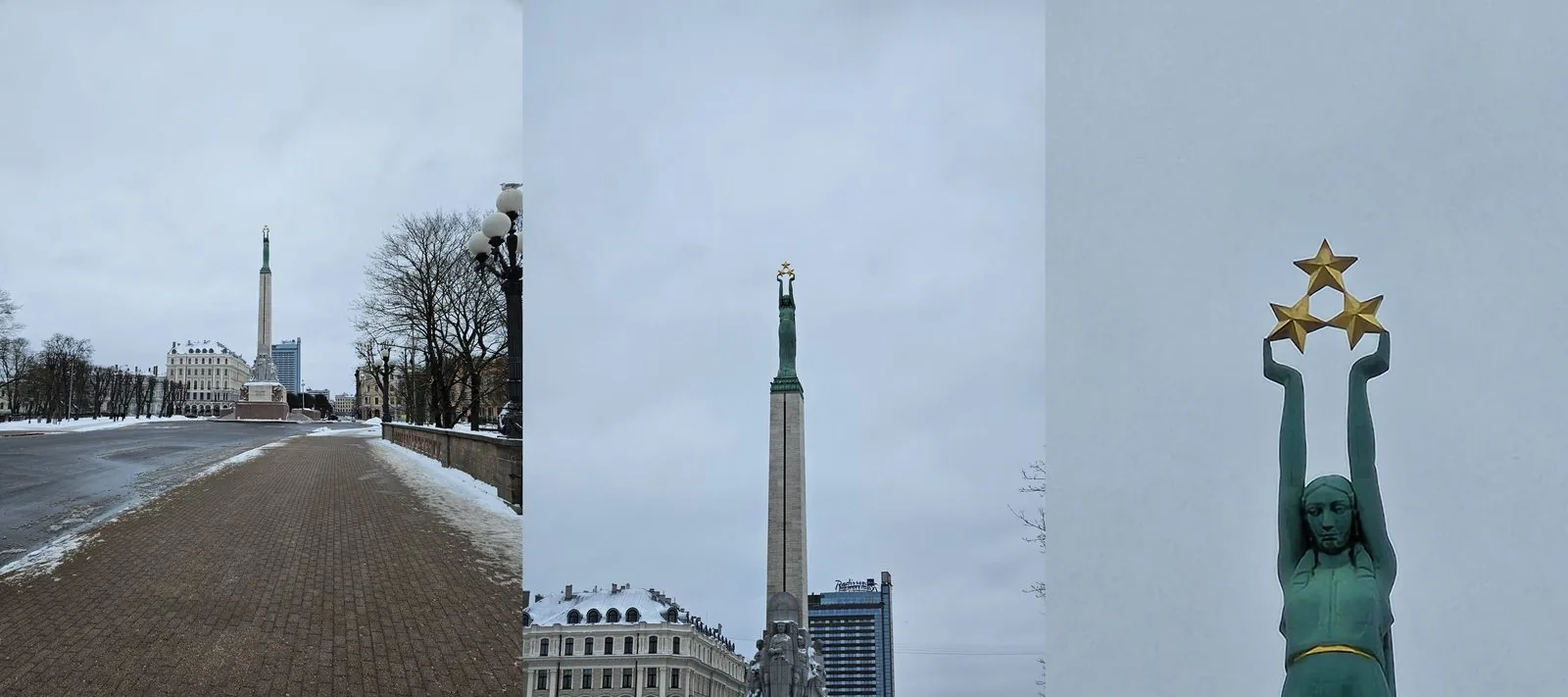
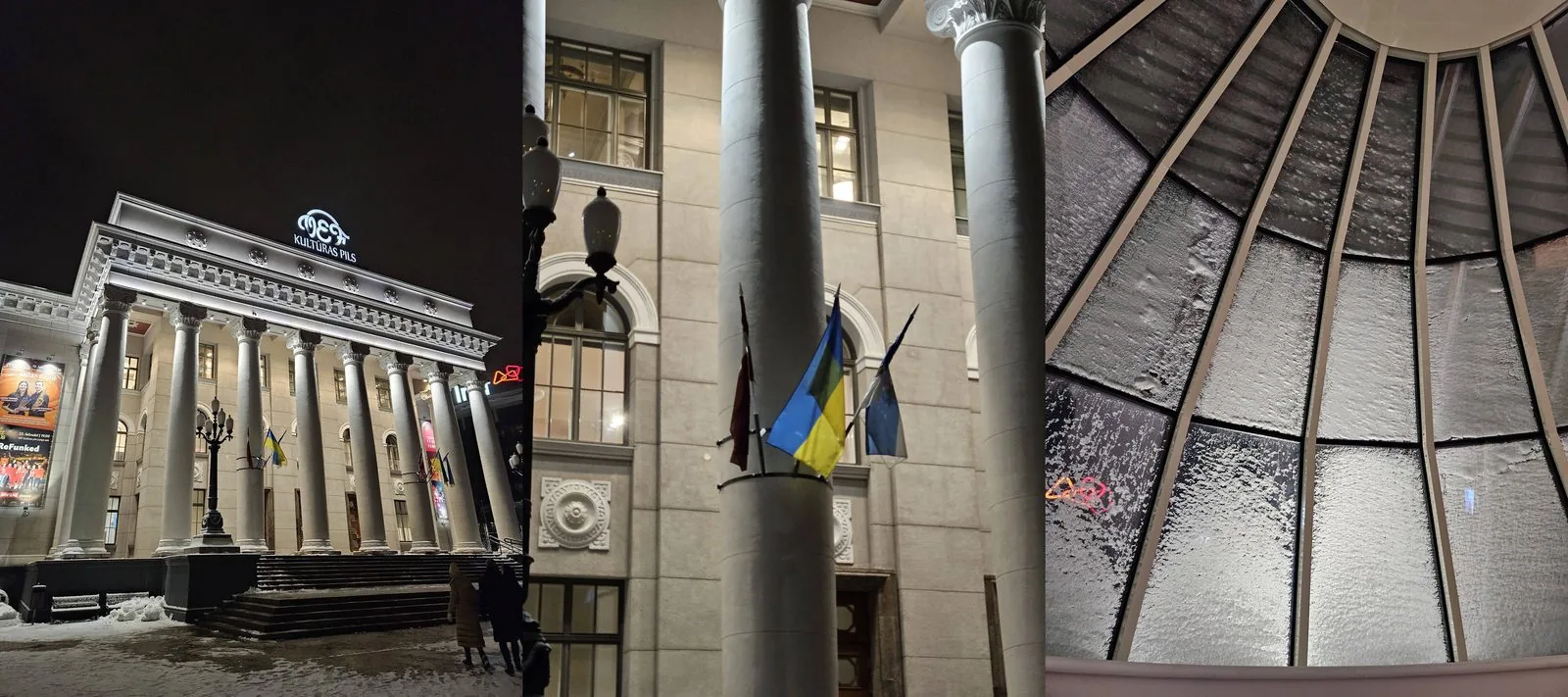
Although the cameras haven’t changed physically, the Galaxy S23 shoots better both day and night. Photos are more detailed, background noise is reduced in poor lighting, and the colours are very natural. The only drawback I spotted is a halo effect — an arc of light forming around the subject.
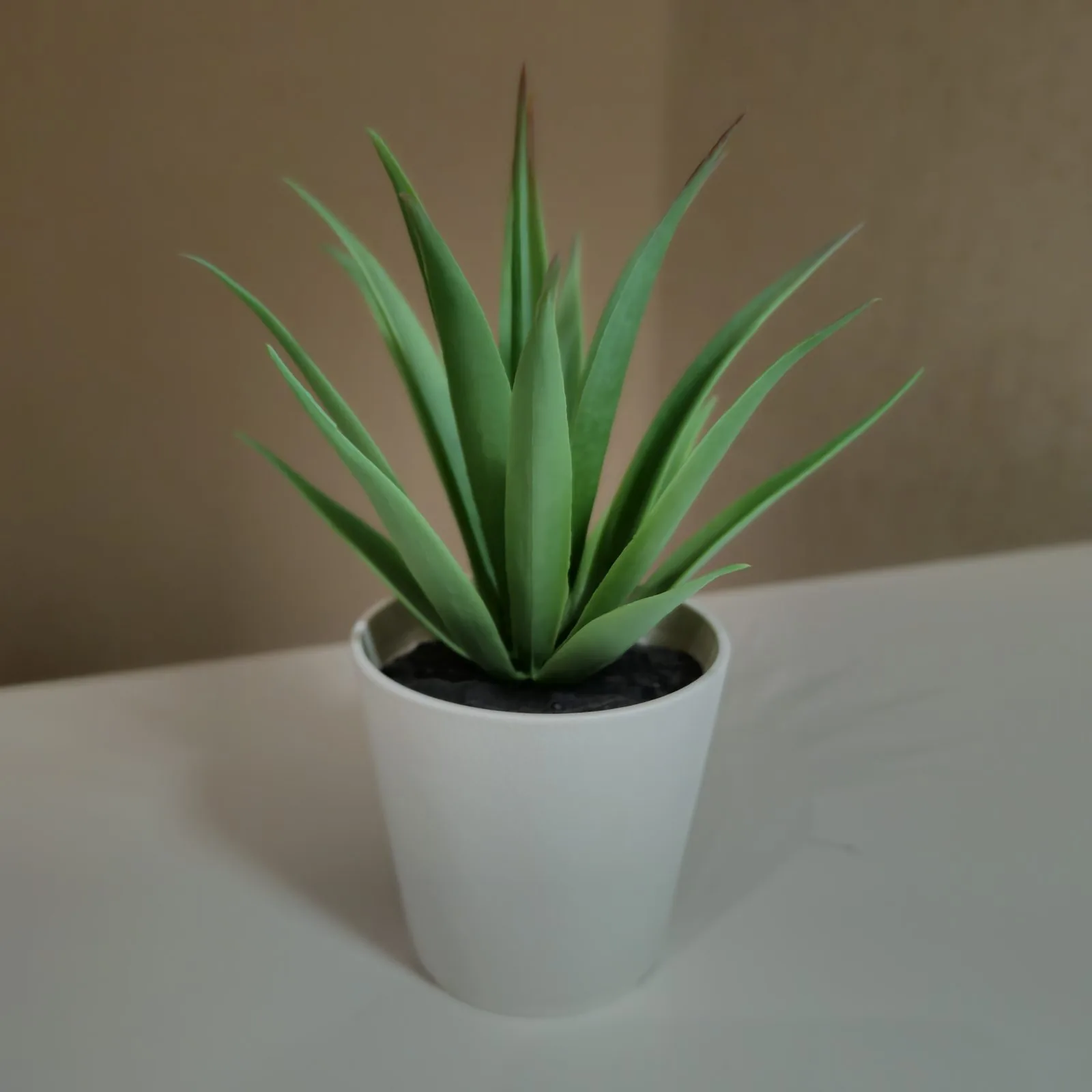
I photographed Riga’s old town with the Galaxy S23.

 The selfie camera was updated this year. The Galaxy S23 has a 12 MP front camera. I didn't notice enormous changes, but the selfies it captures really are detailed and natural.
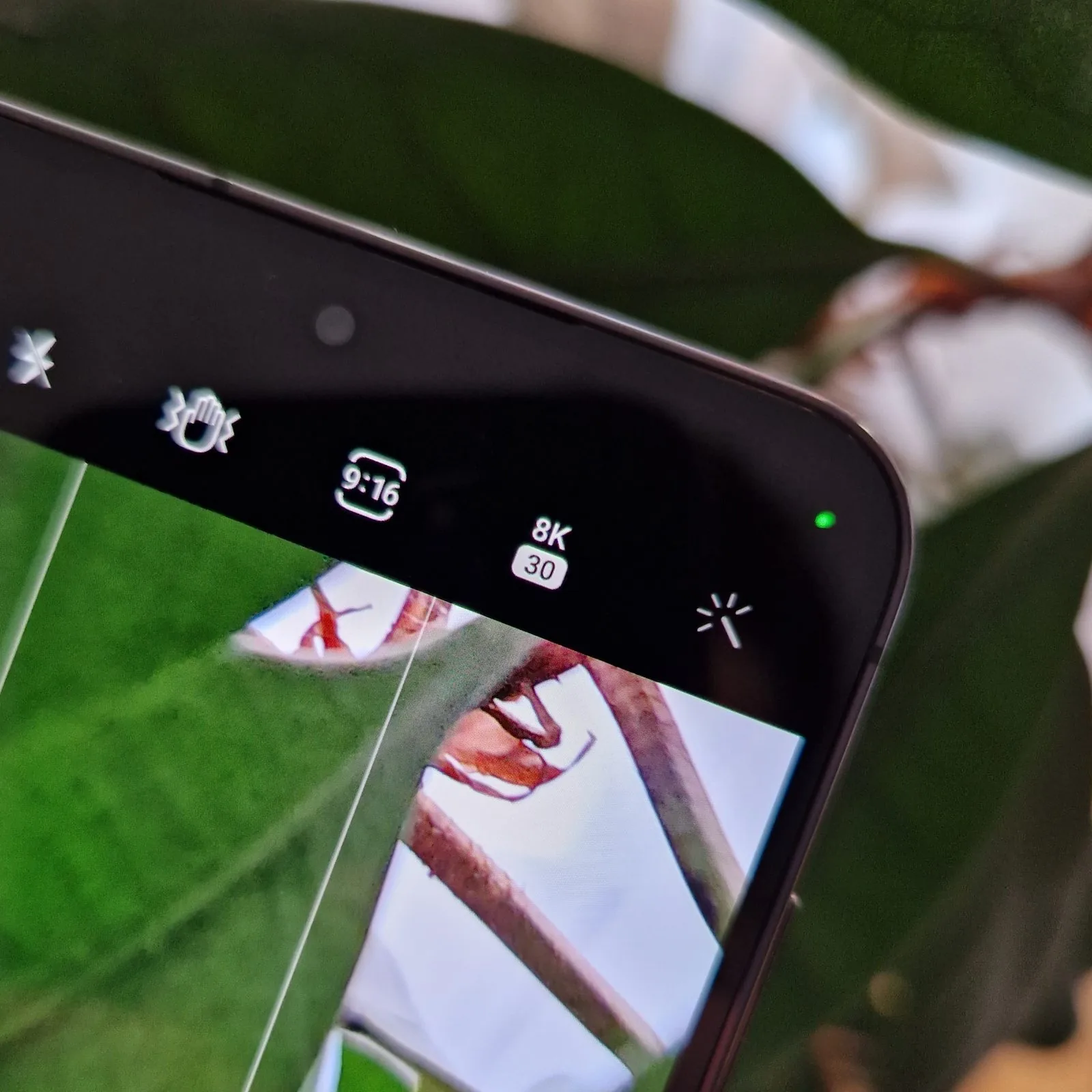
The Galaxy S23 films better still. Maximum video resolution this year is 8K at 30 frames per second — a more commonly used format than the 24 frames per second found in previous Galaxy S models. The only drawback of 8K footage is that it takes up far more space on your phone. The Galaxy S23 films excellently during the day and decently at night; there’s still room to improve there.
Performance and battery
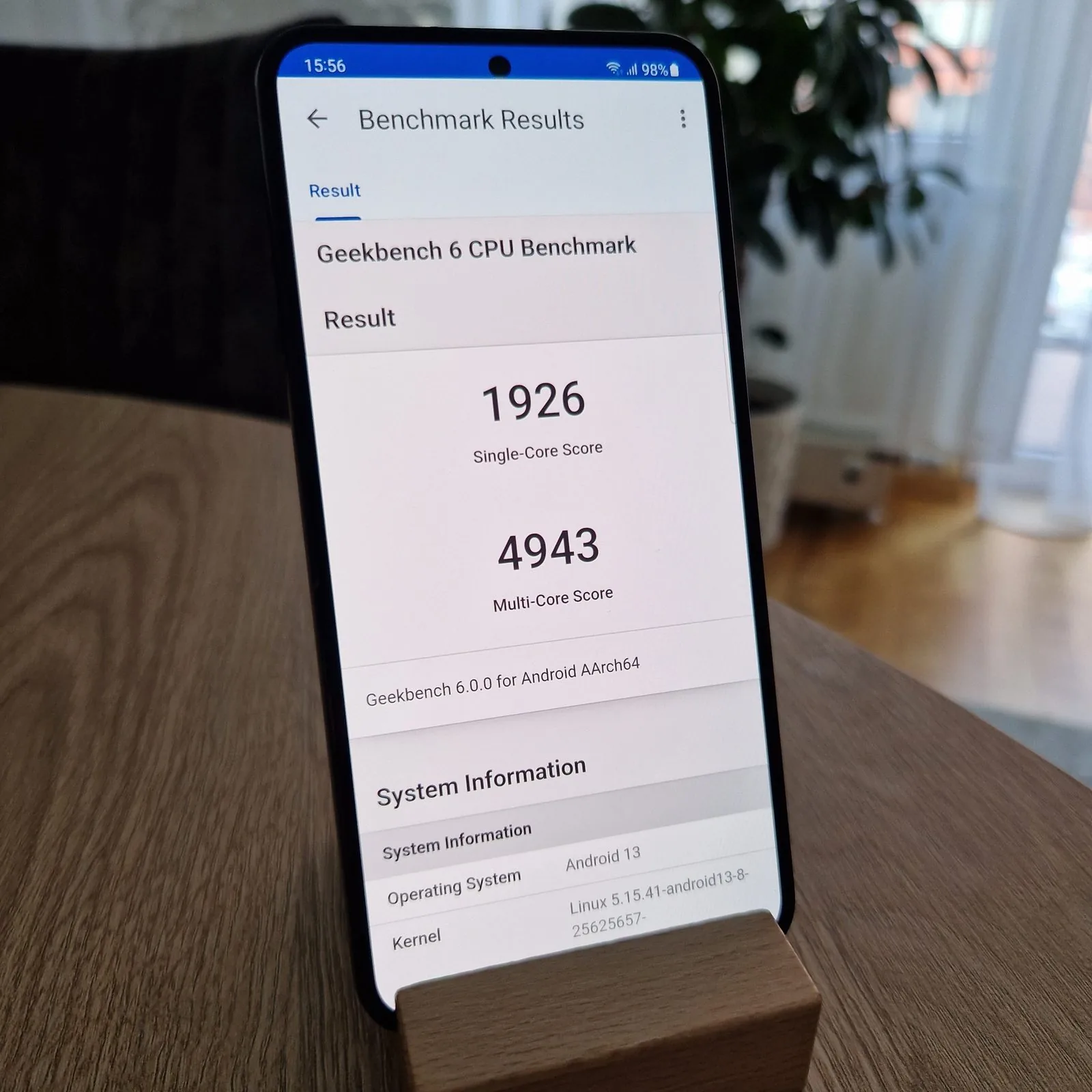 Inside the Galaxy S23 sits the newest Qualcomm Snapdragon 8 Gen 2 for Galaxy. The best news is that this chip is used in every Galaxy S23 device worldwide. The Exynos processor that plagued us for years, promising a breakthrough annually, didn't appear in the European market this year.
The Galaxy S23 is the fastest, most stable and best-optimised Samsung phone. I always felt that Galaxy S phones with Exynos chips lacked optimised apps and a well-tuned Android. The Galaxy S23 runs faster and far more smoothly than the Galaxy S22. Apps open more quickly, functions run more smoothly and the phone heats up less. Even the One UI 5.1 animations are smoother.
 The Galaxy S23's battery capacity grew by 200 mAh to 3,900 mAh. A small difference, but thanks to the new Qualcomm Snapdragon 8 Gen 2 and a well-optimised system, the Galaxy S23 lasts longer than my Galaxy S22+ with its 4,500 mAh battery. I was always wary of smaller phones because of their smaller batteries, but the Galaxy S23 lasted me two days with normal use and a day and a half with very heavy use. That's a big plus, because my Galaxy S22+ barely stretches to one day (16–17 hours).
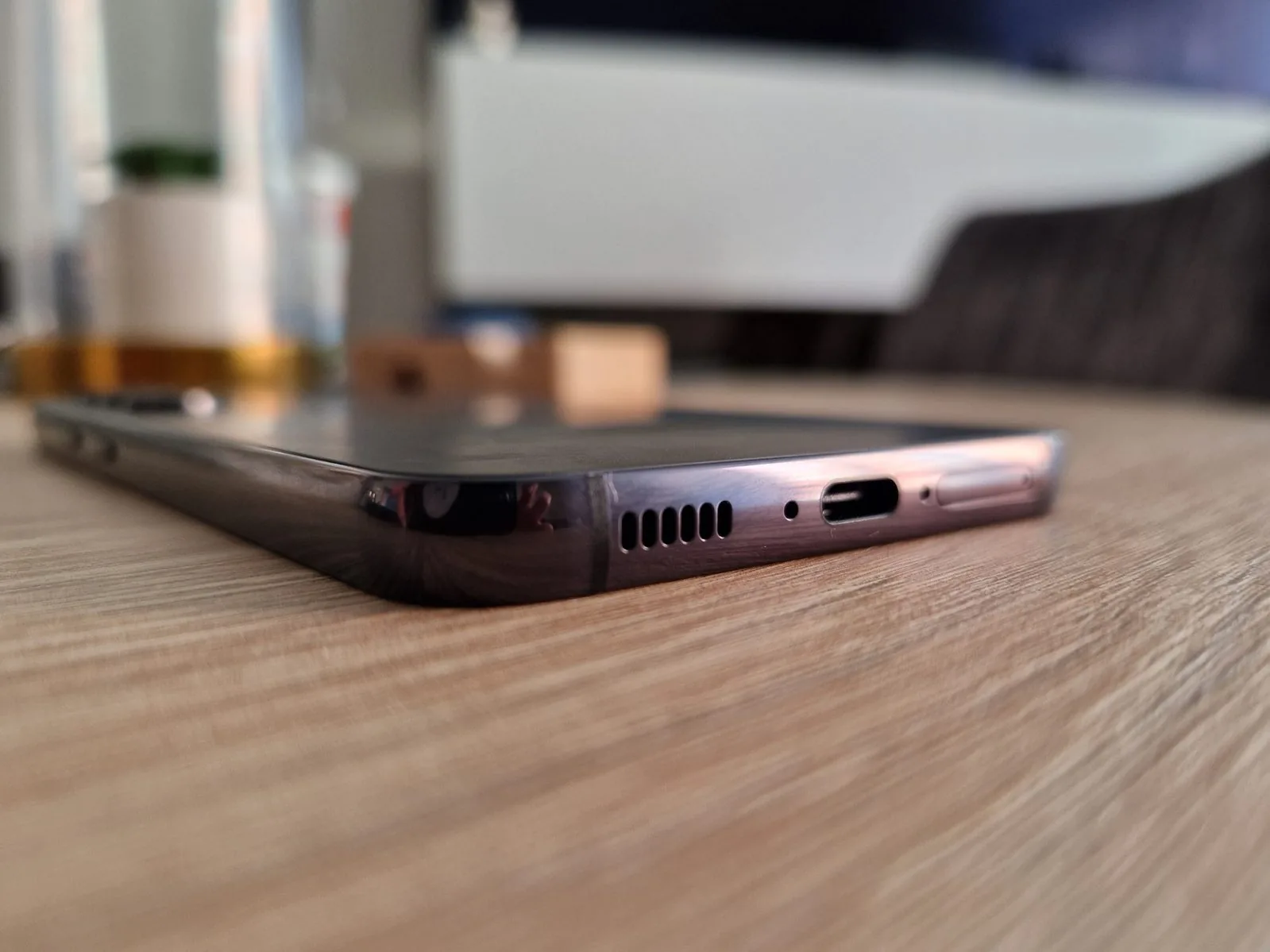
The Galaxy S23 also received a speaker upgrade this year, which genuinely surprised me. This phone’s speakers not only sound louder, but the sound is cleaner with audible low tones. Music lovers in particular will appreciate it.
Verdict: pros and cons
| Pros | Cons |
|---|---|
|
|
The Galaxy S23 really is a fantastic phone. Choosing a model this size, you genuinely needn’t worry about a smaller battery or weaker cameras. We didn’t see enormous changes this year, but I can assure anyone using a Galaxy S20 or older that this phone will be an excellent upgrade.
Read next
 9 March 2026
I tried Galaxy S26 and Buds4
Privacy innovations, monster performance, and a reborn design
 9 June 2025
Galaxy A36 and A56 review
Are they really worth calling awesome?
 24 February 2025
Galaxy S25 Ultra first impressions
First impressions | 2 weeks of use
Advertisement