
Samsung Galaxy Watch4 review
A big leap or just marketing? | 2 weeks of use
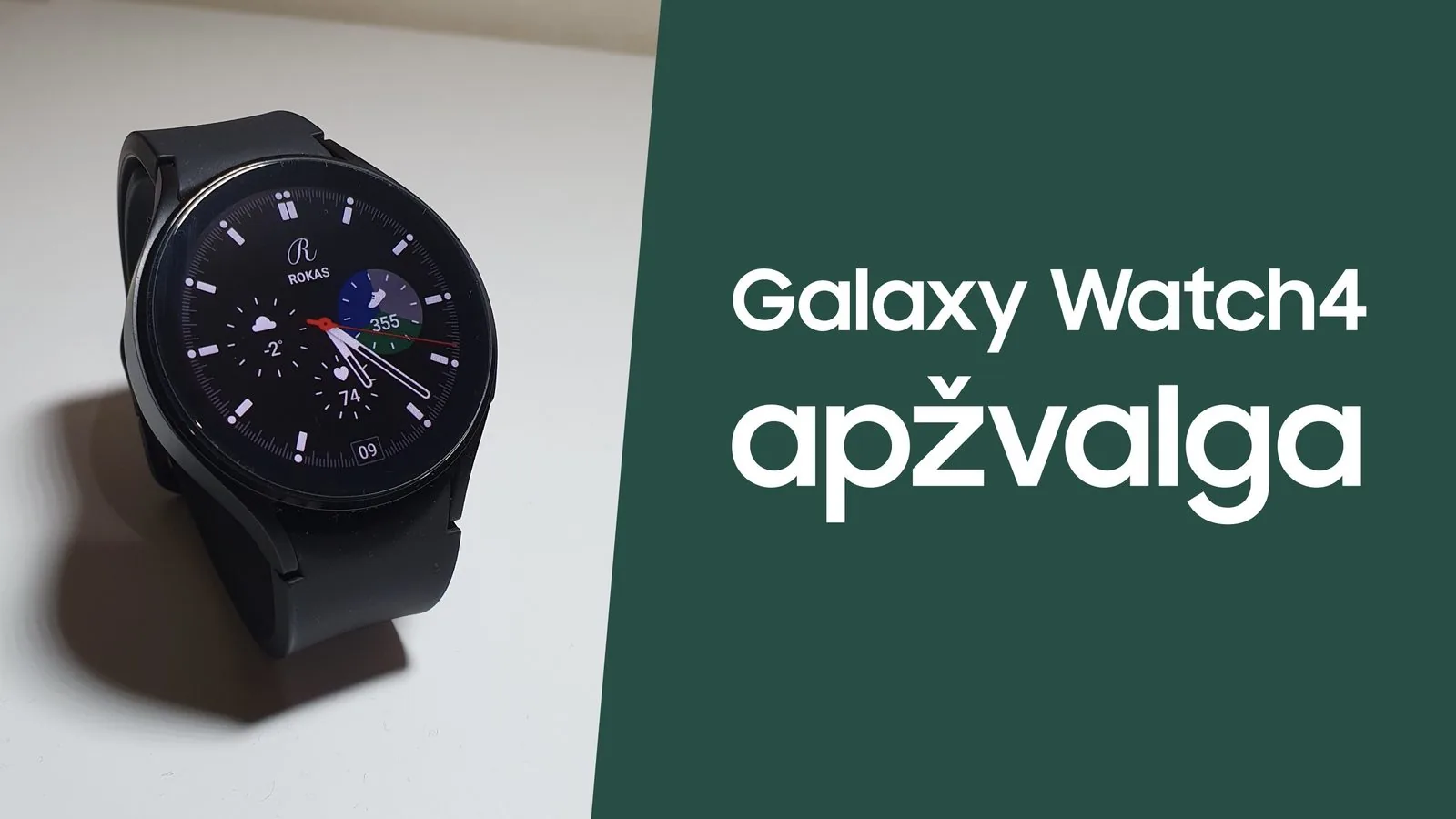
In December I had two weeks to test the Galaxy Watch4 smartwatch. Almost six months earlier, at Galaxy Unpacked 2021 August, Samsung introduced the new Galaxy Watch 4 range. In this review I’ll cover the watch’s main qualities and my favourite features, and compare it with my previous-generation Galaxy Watch Active 2.
What’s in the box
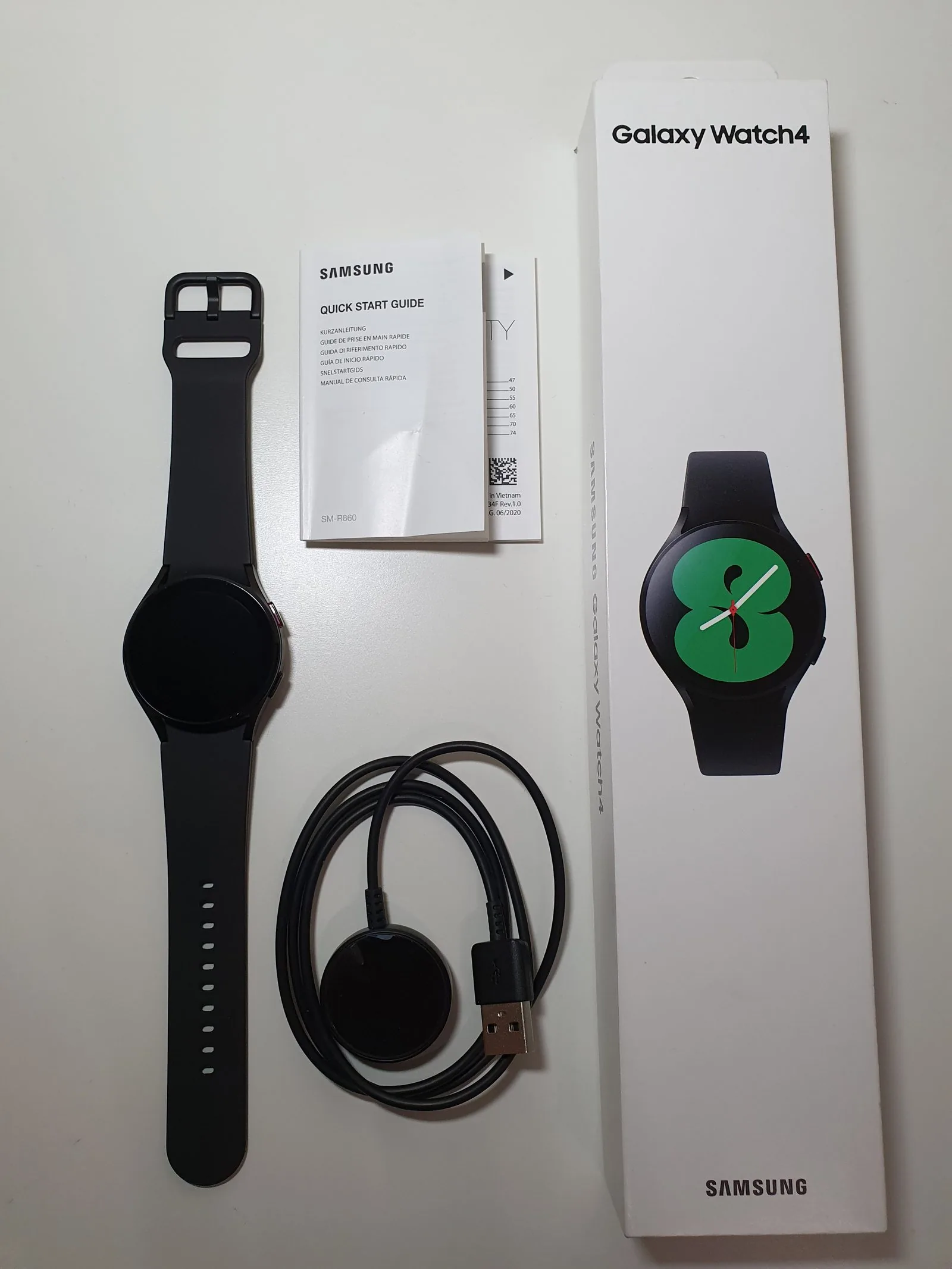
Opening the box, you’re greeted immediately by the 40 mm black Galaxy Watch 4. Inside I also found the magnetic charger and a user guide.
First impressions
As soon as I opened the box I saw how thin and modern this watch is. At first I wasn’t used to the device or its screen size, because my Galaxy Watch Active 2 is the larger 44 mm model with a 1.4-inch display, while this Galaxy Watch 4 is the 40 mm model with a 1.2-inch screen. It seems a small difference, but on the wrist you feel it a great deal.
Design and display
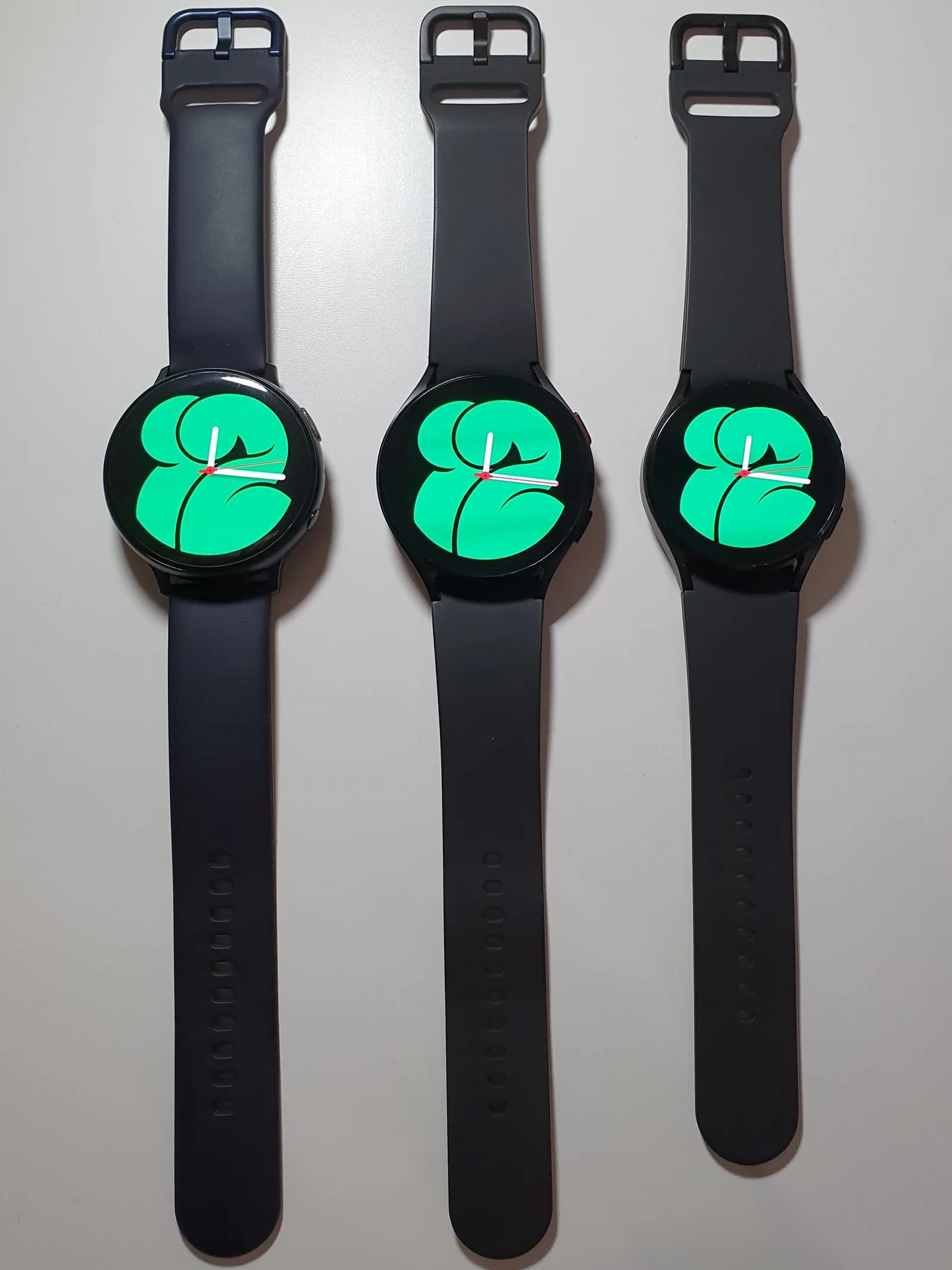
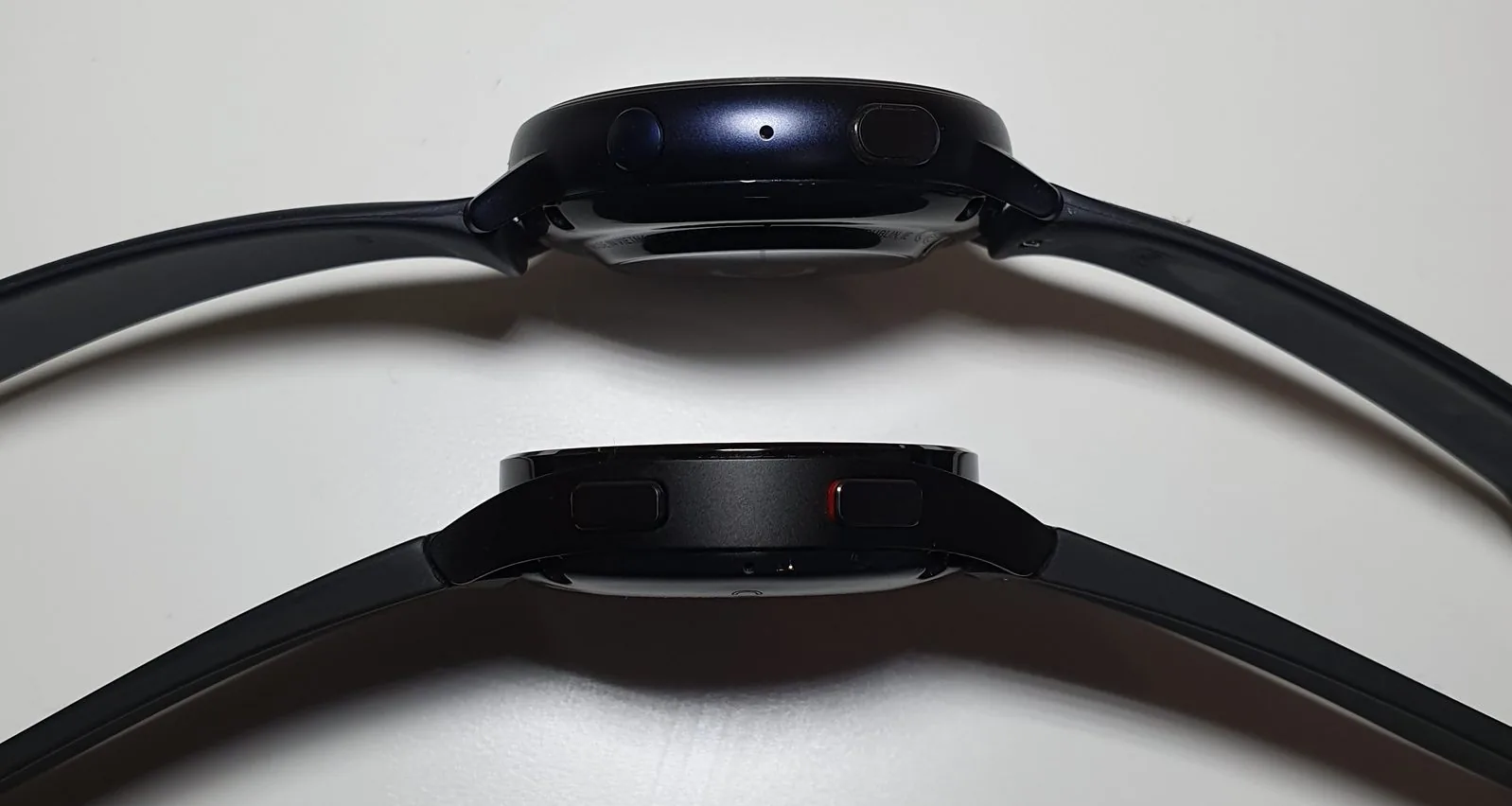
The Galaxy Watch 4 has a two-part matte and glossy aluminium design with straight edges, whereas the previous-generation Galaxy Watch Active 2 is a single piece, less matte and rounder. Samsung also reduced the watch’s thickness from 10.9 mm to 9.8 mm. A single millimetre sounds trivial, but the watch really is thinner. I noticed Samsung has recessed all the sensors into the body, unlike the older model. The new watch’s buttons have also become identical rectangles and swapped places.
The screen sizes haven’t changed, but their resolution has. The new Galaxy Watch 4 has sharper displays at 396 × 396 pixels (450 × 450 on the 44 mm), compared with the Galaxy Watch Active 2 (40/44 mm) at 360 × 360. The display has also become flatter, and the virtual bezel now sits right at the boundary between screen and frame, which felt very awkward at first — though I got used to it.
Advertisement
Operating system
I probably won’t be wrong in saying the Galaxy Watch 4 was the most anticipated release, thanks to Wear OS 3, developed jointly by Google and Samsung. It’s the first and so far only watch in the world running this version. The watch also has Samsung’s One UI Watch 3 interface, similar to the One UI found on mobile devices. The new Wear OS 3 gives the watch not only more stable performance but Google services too — something Samsung’s own Tizen OS, running third-party apps, certainly couldn’t boast. From now on the watch has the Google Play store (instead of Galaxy Store), Google Maps, YT Music and other popular Google apps. In Lithuania you can already pay contactlessly in shops with the new Galaxy Watch 4 using GPay. Unfortunately I couldn’t test payments, since my bank doesn’t yet support Google Pay (Lithuania: supported payment methods — Google Pay Help). I also noticed the Galaxy Watch 4 receives app updates more often, whereas the Galaxy Watch Active 2 sometimes never got them at all.
The main One UI Watch 3 design changes I noticed:
- A new app menu — moving from a circle of apps to a conventional list.
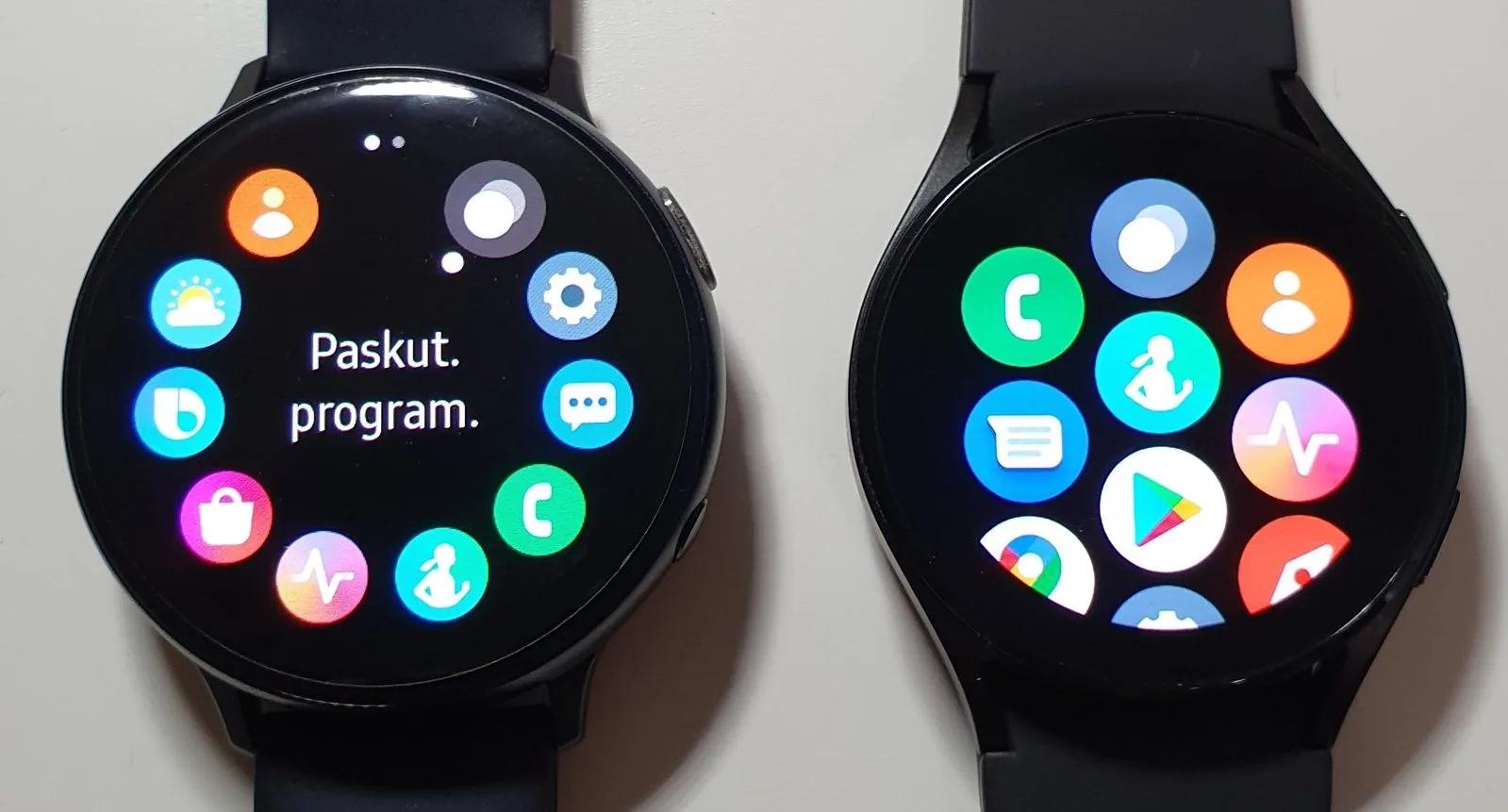
- The quick panel — now translucent.
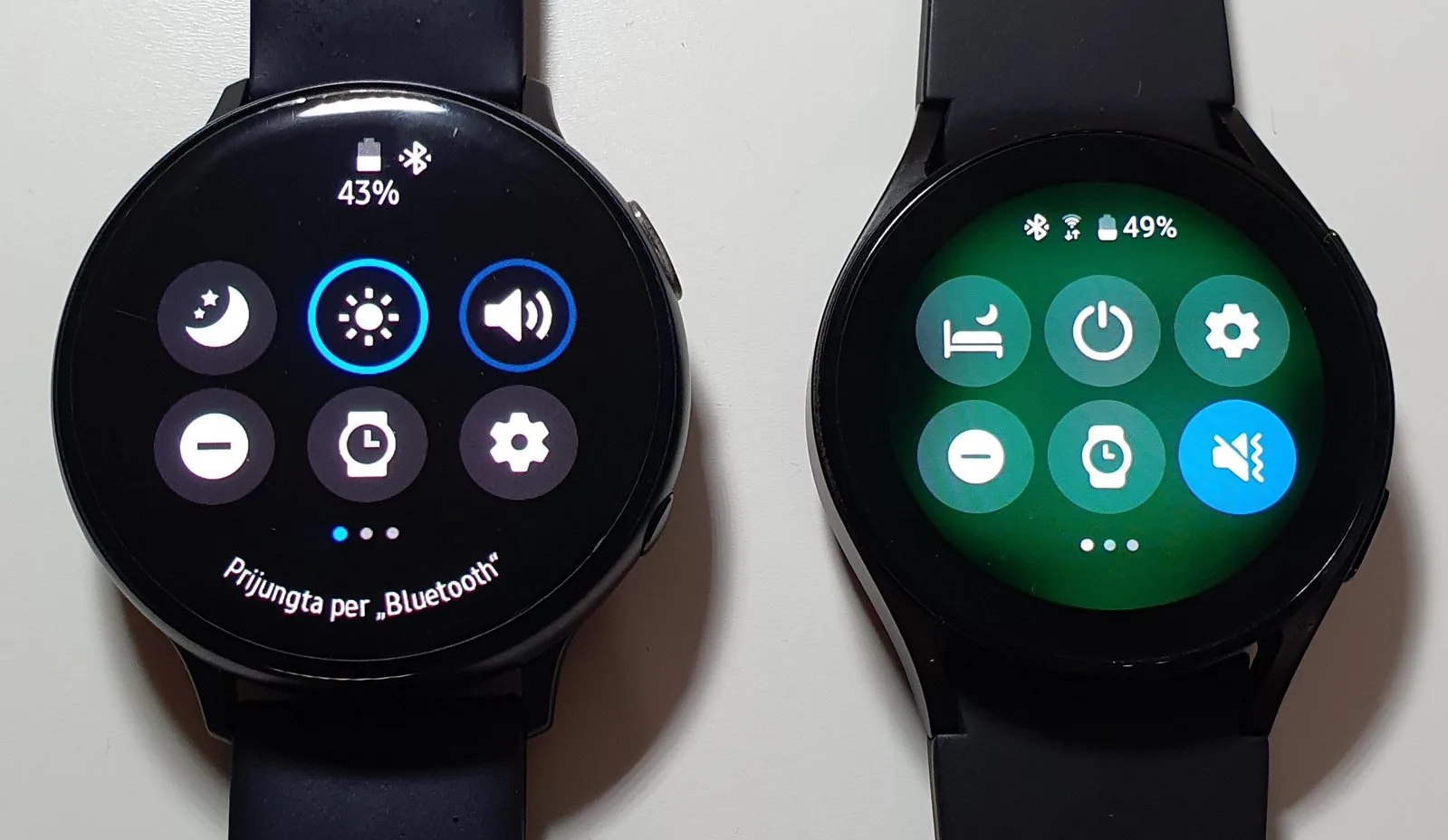
- Apps — their buttons and sections have become rounder.
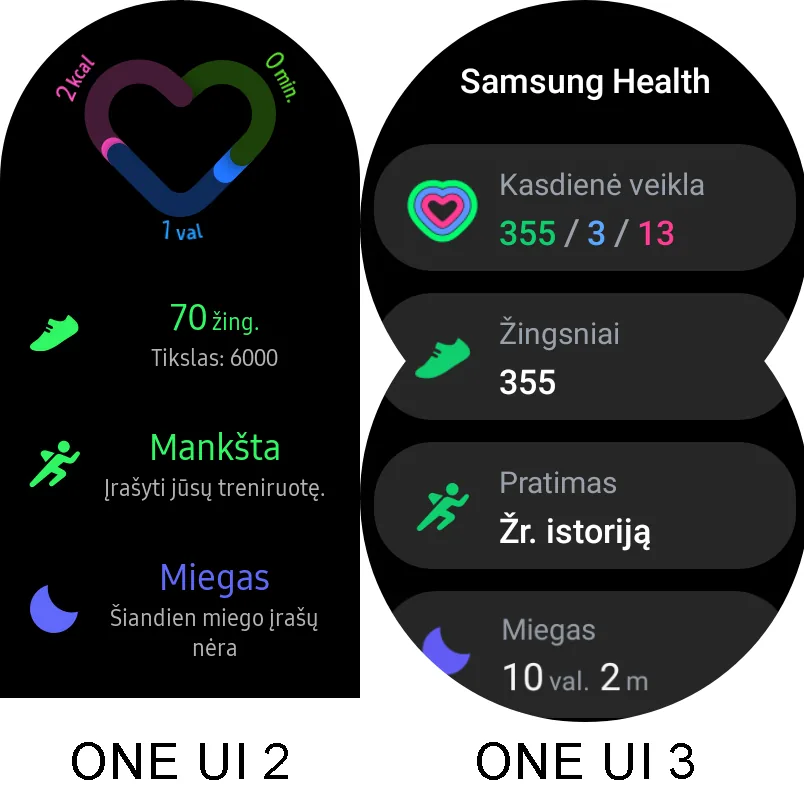
- Tiles — redesigned, with more animation.
I don’t know about other users, but Wear OS 3 struck me as considerably more stable than Tizen OS. The watch genuinely runs more smoothly and doesn’t freeze, unlike the Galaxy Watch Active 2, which froze constantly. As I mentioned, the new Wear OS 3 runs with Samsung’s One UI Watch 3, which closely resembles the One UI 3 found on Galaxy mobile devices.
Health data and the Samsung BioActive sensor
The Galaxy Watch 4 collects health data more accurately. From what I observed, the margin of error in the step count has fallen compared with the Galaxy Watch Active 2. (It’s harder to reach 10,000 steps. 😊) The device has the same features as before — heart rate, blood pressure and ECG measurements — but adds new ones, such as blood oxygen (introduced with the Galaxy Watch 3) and body composition (BIA). All of these are handled by the same new Samsung BioActive sensor.
The Galaxy Watch 4 is the first watch to perform BIA measurements. At first I regarded the body composition results naively, but I later noticed BIA measurement genuinely works very well. The results really did match my body data.
Processor, memory and battery
The Galaxy Watch 4 is equipped with the twice-as-fast Exynos W920, which gives the watch’s OS quick, smooth performance. Even in power saving mode the watch runs more smoothly than the Galaxy Watch Active 2.
The watch has four times the internal storage at 16 GB, and twice the working memory at 1.5 GB of RAM. It can now keep more apps loaded at once and hold more music files.
The Galaxy Watch 4’s battery capacity increased, yet its runtime fell. The 40 mm model barely manages a day and a half, and the 44 mm just two days. Rumours suggested the Galaxy Watch 4 would have good battery endurance, but the new Wear OS 3 drains it faster. Even so, the Galaxy Watch 4 lasts longer than its main competitor, the Apple Watch 7.
Overall runtime has shortened by around half a day compared with the Galaxy Watch Active 2 and Galaxy Watch 3. Recent updates have fixed the battery problems.
Verdict: pros and cons
| Pros | Cons |
|---|---|
|
|
This year the Galaxy Watch 4 shows a genuinely large leap in Samsung’s technology compared with previous Galaxy Watch models. It isn’t just major design changes but major changes inside the watch and in its operating system. I can confidently declare this the best watch on the Android market. It surprised me so much that I decided to give myself one as a birthday present — the larger 44 mm model, naturally. Having had it for more than a month now, I can say it hasn’t disappointed me once. Everything syncs faster, and all reminders and alerts reach the watch quickly. I sincerely recommend this watch to everyone.
Read next
 29 April 2024
Samsung Galaxy Fit3 review
A cheaper alternative to the Galaxy Watch
 11 September 2026
Samsung unveils the Galaxy S26 FE – a Galaxy S for the fans
Prices in Lithuania, a 6.7-inch screen and seven years of updates
 10 September 2026
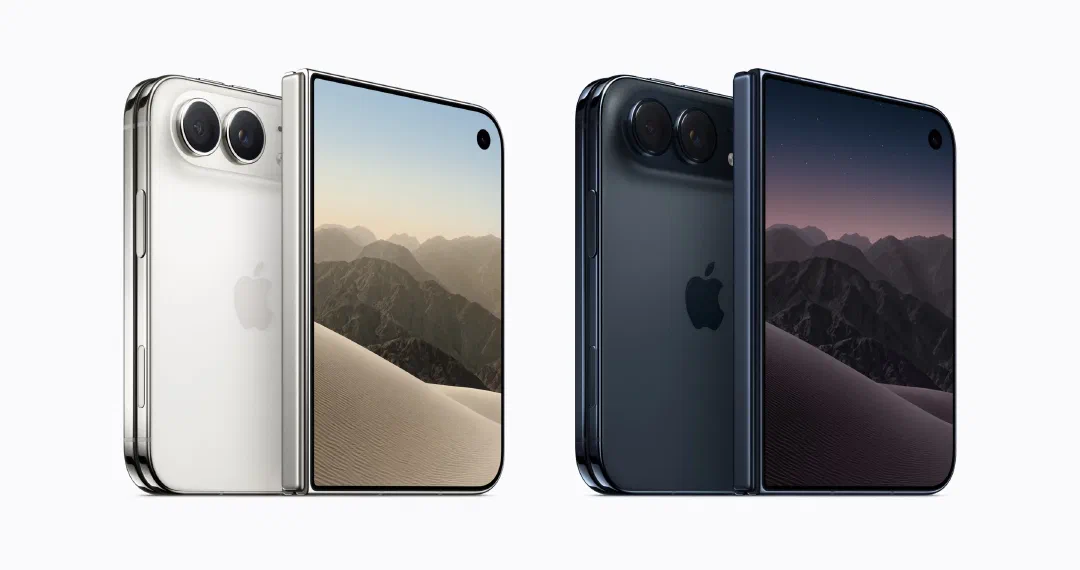
What Apple announced, and what it costs in Lithuania
iPhone Duo, iPhone 18 Pro, AirPods 5 and Apple Watch
Advertisement